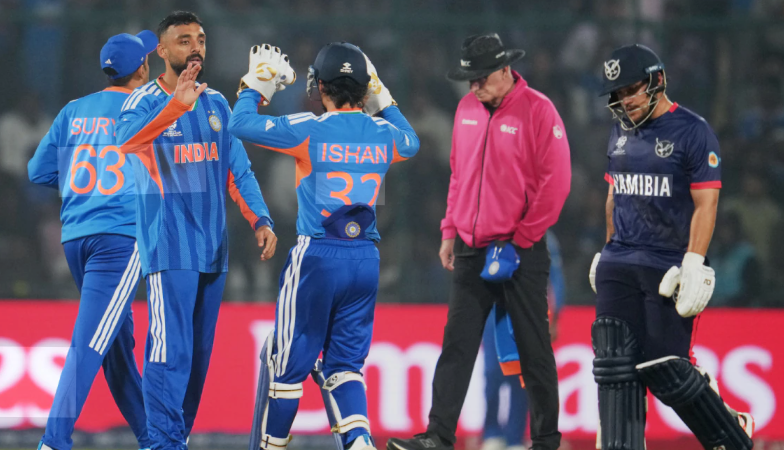
The cricket journey between India and Namibia may not be filled with countless matches, but every encounter has carried importance for players and fans. From the 2003 ICC Cricket World Cup to the modern T20 era, these contests highlighted the difference between an established cricket powerhouse and a rising associate nation determined to grow on the global stage. India entered these matches with legendary batters, experienced captains, and massive expectations, while Namibia played with fearless energy and passion. Each game offered memorable performances, tactical moments, and emotional reactions from supporters worldwide. These encounters also showed how international cricket continues expanding beyond traditional rivalries and bringing nations together through competition.
Latest Matches Table
Date
Match Type
Venue
Margin
Winner
12 Feb 2026
T20I
Delhi
93 runs
India
08 Nov 2021
T20I
Dubai
9 wickets
India
23 Feb 2003
ODI
Pietermaritzburg
181 runs
India
Team Statistics Summary Table
Metric
India
Namibia
Total Matches Played
3
3
Total Wins
3
0
Total Losses
0
3
Highest Team Score
311/2 (ODI)
132/8 (T20I)
Lowest Team Score
136/1 (T20I)
116/10 (T20I)
Most Runs in a Match
311
132
Individual Batting Records Table
Player Name
Matches Played
Total Runs Scored
Highest Match Score
Strike Rate
Sachin Tendulkar
1
152
152
100.66
Sourav Ganguly
1
112
112
94.11
Ishan Kishan
1
61
61
254.16
Rohit Sharma
1
56
56
151.35
KL Rahul
1
54
54
150.00
Hardik Pandya
1
52
52
185.71
Individual Bowling Records Table
Player Name
Matches Played
Wickets Taken
Bowling Average
Best Match Figures
Yuvraj Singh
1
4
1.50
4/6
Gerhard Erasmus
2
4
12.25
4/20
Varun Chakaravarthy
1
3
2.33
3/7
Ravindra Jadeja
1
3
5.33
3/16
Ravichandran Ashwin
1
3
6.66
3/20
Hardik Pandya
1
2
10.50
2/21
When India and Namibia First Met on the World Stage
The first meeting between these two sides came during the 2003 ICC Cricket World Cup in South Africa. Cricket fans expected a dominant performance because one team carried massive international experience while the other was still learning the demands of global tournaments. Even with the pressure of a World Cup fixture, Namibia showed courage and discipline in patches. The atmosphere around the match was energetic because supporters wanted to see how a developing side would respond against world class batters and bowlers. India played calculated cricket, building partnerships carefully before accelerating in the middle overs. Namibia struggled to contain boundaries once the senior batters settled at the crease. Despite the defeat, several Namibian players earned praise for their commitment and fighting attitude. The match also helped associate cricket nations gain more attention from global audiences. Many young fans discovered Namibia’s cricket journey for the first time through this contest. The clash became an important learning experience and showed the growing reach of international cricket beyond traditional powerhouses during the World Cup era.
2003 World Cup
Venue Pietermaritzburg
India Won
Namibia Fought Hard
Sourav Ganguly
Century Performance
Batting Control
Match Turning Point
Sachin Tendulkar
Aggressive Start
Crowd Excitement
Early Momentum
Namibia Bowlers
Disciplined Spells
Limited Success
Valuable Experience
Global Attention
Associate Growth
Fan Interest
Historic Encounter
Sourav Ganguly’s Captaincy and India’s Early Control
Leadership played a huge role in shaping the early meetings between the two sides. Sourav Ganguly understood the importance of maintaining momentum during global tournaments, and his calm captaincy helped India stay focused. He encouraged attacking cricket while ensuring the batting lineup respected every opponent. During the contest, India balanced aggression with patience, allowing experienced players to dominate without unnecessary risks. Ganguly’s century became one of the major talking points because it displayed timing, placement, and controlled power. Namibia attempted to break partnerships with field changes and disciplined bowling lengths, but India’s top order handled pressure professionally. The match also reflected the gap in exposure between established cricket nations and emerging teams. Even so, Namibia earned admiration for continuing to compete despite difficult situations. Their fielding energy and determination stood out to viewers watching around the world. Ganguly’s approach proved why India remained one of the strongest tournament sides during that era. The game highlighted tactical awareness, leadership confidence, and the importance of experience in high pressure international cricket encounters.
Sourav Ganguly
Captaincy Impact
Century Knock
Match Control
India Batting
Strong Partnerships
Controlled Tempo
Smart Strategy
Namibia Fielding
High Energy
Fighting Spirit
Competitive Attitude
Bowling Changes
Tactical Plans
Pressure Moments
Limited Breakthroughs
World Cup Stage
Big Expectations
Fan Reactions
Memorable Performance
Namibia’s Determination Against a Powerful Opponent
Facing a cricket giant on the world stage was never going to be easy, but Namibia entered the contest with pride and determination. Their players understood that opportunities against elite teams were rare, so every run and wicket carried emotional value. Even though the scoreboard eventually favored India comfortably, Namibia produced moments that impressed neutral supporters. The bowlers tried slower deliveries, tight lines, and defensive fields to slow the scoring rate. Some overs created pressure and forced India’s batters to rethink attacking plans briefly. Namibia’s batters also attempted positive strokes instead of simply defending throughout the innings. That fighting mentality helped the team gain respect from cricket fans worldwide. Matches like these often become important learning steps for developing cricket nations because players experience the speed and intensity of top level competition firsthand. Namibia’s commitment inspired many associate teams dreaming of competing regularly on the international stage. The contest became more than just a result because it symbolized courage, ambition, and the passion smaller cricket nations carry into global tournaments against experienced opponents.
Namibia Spirit
Competitive Effort
Positive Cricket
Learning Experience
Bowling Plans
Slower Deliveries
Tight Overs
Tactical Attempts
Batting Approach
Fearless Shots
Pressure Response
Fighting Intent
Associate Cricket
Global Recognition
Growing Respect
Development Path
Fan Support
Emotional Moments
Team Pride
Historic Journey
Batting Stars Who Dominated the Contest
India’s batting strength became the biggest difference during these encounters. Players like Sachin Tendulkar, Virender Sehwag, Rahul Dravid, and Sourav Ganguly carried enormous experience and knew how to control big matches. Their ability to rotate strike, punish loose deliveries, and build partnerships created immense pressure on Namibia’s bowling attack. Tendulkar often provided explosive starts that shifted momentum quickly. Sehwag played fearless cricket, attacking boundaries without hesitation and forcing bowlers onto defensive lines. Dravid added stability in the middle order with calm decision making and technical precision. Ganguly combined leadership with elegant stroke play, making the innings look controlled from start to finish. Namibia’s bowlers struggled once partnerships crossed fifty because the pressure of international cricket increased with every over. Still, the effort from Namibia’s players never disappeared, and they continued searching for breakthroughs until the final overs. These batting displays reminded fans why India’s lineup was considered one of the strongest in world cricket during that period, especially in major ICC tournaments filled with pressure and expectations.
Sachin Tendulkar
Fast Start
Boundary Hitting
Crowd Favorite
Virender Sehwag
Aggressive Batting
Quick Runs
Momentum Shift
Rahul Dravid
Calm Approach
Middle Order Stability
Tactical Control
Sourav Ganguly
Captain’s Knock
Elegant Strokeplay
Match Winner
Namibia Bowlers
Persistent Effort
Few Successes
Valuable Lessons
The Long Gap Before Another Meeting
After the early World Cup encounter, both teams followed completely different cricket journeys for many years. India became one of the most dominant sides in international cricket, winning ICC trophies and producing global superstars. Namibia continued developing through associate tournaments, regional qualifiers, and ICC competitions aimed at emerging nations. The long gap between meetings created curiosity among fans because cricket had changed dramatically during that time. T20 cricket transformed strategies, batting approaches, and bowling variations across the sport. Namibia slowly improved its international reputation through disciplined performances and qualification campaigns. Young players from both countries entered the game with different experiences compared to earlier generations. When discussions about another meeting began, supporters looked forward to seeing how Namibia would perform against a modern Indian side filled with aggressive batters and versatile bowlers. The gap between the teams still existed, but Namibia’s confidence had grown because of increased international exposure. Cricket followers appreciated how the sport continued expanding beyond traditional nations, giving emerging teams opportunities to challenge experienced opponents on major tournament stages.
Cricket Evolution
T20 Influence
Modern Strategies
Global Expansion
India Growth
ICC Success
Star Players
Dominant Era
Namibia Journey
Associate Events
Team Development
Rising Confidence
Fan Curiosity
Future Clashes
New Generations
Fresh Rivalry
International Cricket
Tactical Changes
Faster Gameplay
Bigger Audience
Virat Kohli’s Emotional Final Group Match as Captain
One of the most emotional chapters arrived during the 2021 ICC T20 World Cup when Virat Kohli captained India for the final time in a T20 international group match. The atmosphere carried mixed emotions because fans knew an important leadership era was ending. India entered the contest determined to finish strongly after facing tournament pressure earlier in the campaign. Namibia aimed to compete bravely against a powerful batting lineup filled with confidence. Rohit Sharma and KL Rahul attacked from the beginning, playing fluent shots and dominating the powerplay overs. Their partnership removed pressure completely and gave India total control. Kohli remained calm throughout the match, rotating bowlers effectively and maintaining sharp field placements. Namibia showed positive intent with the bat but struggled against India’s disciplined bowling attack. The match became memorable not only because of the result but because it marked the conclusion of Kohli’s T20 captaincy journey. Fans around the world reacted emotionally, celebrating his passion, intensity, and contributions to Indian cricket during a significant era of international competition.
Virat Kohli
Final T20 Captaincy
Emotional Match
Leadership Era
Rohit Sharma
Aggressive Start
Powerplay Dominance
Quick Runs
KL Rahul
Match Winning Knock
Strong Partnership
Batting Control
India Bowling
Disciplined Attack
Wicket Pressure
Tactical Success
Namibia Team
Brave Performance
Positive Intent
Valuable Exposure
Fan Reactions and the Meaning Behind the Rivalry
Although the contests often favored India strongly, the emotional value of these matches extended beyond the scoreboard. Cricket fans appreciated the spirit shown by Namibia whenever they faced one of the sport’s biggest teams. Supporters from associate nations saw hope in Namibia’s journey because competing against elite opponents helps smaller cricket countries grow faster. Indian fans enjoyed watching experienced stars perform freely, but many also respected the determination shown by Namibia’s players. Social media discussions after matches often praised the sportsmanship between both sides. Unlike aggressive rivalries built on hostility, this cricket relationship carried admiration and mutual respect. Namibia gained global attention every time they stepped onto the field against India, helping the country attract more interest in cricket development. Young players watching these matches could dream about competing on major international stages in the future. The rivalry may not have decades of dramatic tension, but it represents cricket’s expanding global identity. It proves that international tournaments can connect teams from different backgrounds while creating memorable moments for players and fans alike.
Fan Emotions
Mutual Respect
Positive Atmosphere
Global Interest
Namibia Growth
International Exposure
Cricket Development
Future Dreams
Indian Supporters
Star Performances
Tournament Excitement
Memorable Moments
Sportsmanship
Friendly Rivalry
Shared Passion
Worldwide Attention
Cricket Expansion
Associate Nations
Global Competition
Historic Importance
Conclusion
The rivalry between India and Namibia represents more than just match results and scorecards. It reflects the growth of world cricket and the opportunities international tournaments provide to emerging teams. India showcased its batting depth, tactical discipline, and experienced leadership across different eras, while Namibia earned admiration for its determination and fighting spirit. Matches between these sides created memorable moments for fans and valuable lessons for young players dreaming of the international stage. Even though the contests were mostly one sided, they carried emotional significance and highlighted cricket’s global reach. Future meetings could add fresh chapters to this timeline and continue inspiring supporters across different cricketing nations.