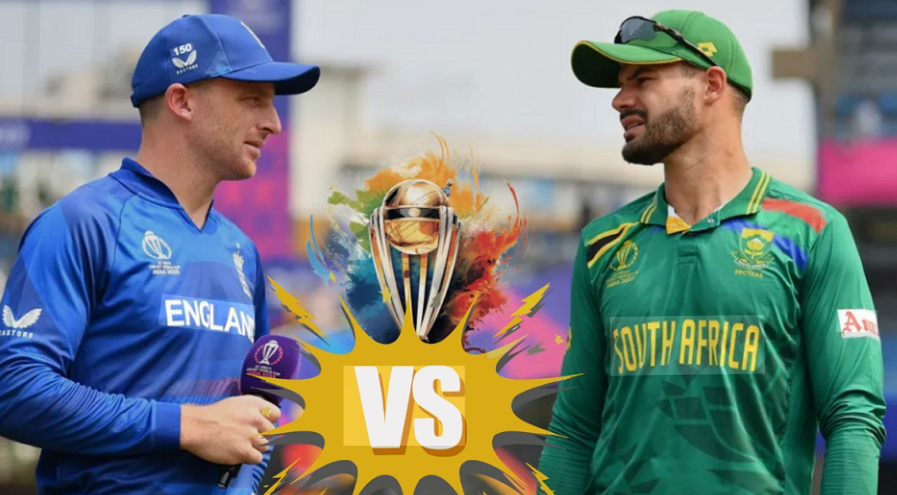
The cricket rivalry between the two sides has always carried a deep sense of competition shaped by history, conditions, and evolving playing styles. From early tours to modern high intensity matches, every encounter has reflected changing eras of the game. Batting approaches, bowling strategies, and leadership decisions have all played major roles in shaping outcomes. Fans from both nations have followed these contests closely, creating an emotional atmosphere that goes beyond the field. Over time, the matches have produced memorable performances, close finishes, and defining moments that continue to influence how the rivalry is viewed in world cricket today.
Latest Matches Table
Date
Format
Venue
Winner
Margin
First Innings
Second Innings
14 Sep 2025
T20I
Nottingham
None
Abandoned
No Score
No Score
12 Sep 2025
T20I
Manchester
England
146 runs
England 304/2
South Africa 158
10 Sep 2025
T20I
Cardiff
South Africa
14 runs
South Africa 97/5
England 54/5
07 Sep 2025
ODI
Southampton
England
342 runs
England 414/5
South Africa 72
04 Sep 2025
ODI
London
South Africa
5 runs
South Africa 330/8
England 325/9
02 Sep 2025
ODI
Leeds
South Africa
7 wickets
England 131
South Africa 137/3
Team Statistics Summary Table
Format Category
Total Games
England Victories
South Africa Victories
Tied Outcomes
No Result Matches
Drawn Matches
Test Matches
156
66
35
0
0
55
One Day Internationals
74
31
37
1
5
0
Twenty20 Internationals
28
13
14
0
1
0
Cricket World Cup ODI
8
4
4
0
0
0
Men T20 World Cup
7
2
5
0
0
0
ICC Champions Trophy
3
2
1
0
0
0
Individual Batting Records Table
Batter Name
Representing
Total Matches
Total Innings
Aggregate Runs
Top Score
Run Average
Jacques Kallis
South Africa
43
77
3101
182
43.67
Hashim Amla
South Africa
38
65
2804
311
48.34
Graeme Smith
South Africa
31
58
2501
277
45.47
Joe Root
England
29
52
2244
180
46.75
Alastair Cook
England
26
49
2011
294
43.71
Kevin Pietersen
England
24
41
1894
158
49.84
Individual Bowling Records Table
Bowler Name
Representing
Total Matches
Total Innings
Wickets Taken
Best Figures
Bowl Average
James Anderson
England
34
64
114
5/40
28.12
Shaun Pollock
South Africa
28
51
91
6/30
24.45
Dale Steyn
South Africa
19
36
85
6/8
23.41
Stuart Broad
England
25
47
81
6/17
29.56
Makhaya Ntini
South Africa
20
38
76
5/94
29.82
Kagiso Rabada
South Africa
16
31
64
7/112
25.14
Early Foundations of the Rivalry
The early meetings between the two international sides set the tone for a competitive but uneven beginning. Cricket during this period was still developing in structure, with touring schedules, uncovered pitches, and limited protective gear shaping how matches unfolded. The visiting side from England often arrived with more experience and stronger batting depth, while the South African team relied heavily on home conditions and emerging bowling talent. These early contests were less about modern strategy and more about patience, survival, and adapting to unpredictable surfaces. Despite the imbalance, South African players began showing flashes of resistance, especially in bowling spells that tested English technique. The early match environments also reflected a growing cultural importance of the sport in both nations, laying a foundation for a rivalry that would evolve over decades into one of the most closely followed contests in international cricket.
Era
Matches Played
Venue Type
Dominant Side
Key Feature
Early 1900s
Limited
England and South Africa
England
Experience gap
Pre War Period
Few series
Mixed conditions
England
Defensive batting style
Early Development
Growing fixtures
Home advantage shifts
Balanced
Emerging fast bowlers
Touring Era
Test series
Uncovered pitches
England
Low scoring games
Colonial Era Clashes and Competitive Gap
During the colonial era, the contests between the two sides were heavily influenced by experience and infrastructure differences. England entered most matches with established techniques and stronger domestic systems, while South Africa was still developing its cricket identity. The scorecards from this phase often reflected low totals and dominant bowling performances from visiting English bowlers. However, South African players gradually began to adapt, especially in home conditions where pitch behavior favored seam movement and variable bounce. These matches were not just sporting encounters but also reflections of broader historical contexts, where travel limitations and long touring schedules affected performance levels. Even in defeat, South African resilience started to grow, and certain innings hinted at the future competitiveness that would define later decades. The gap was clear, but the foundation of rivalry intensity was already forming through repeated encounters and growing crowd interest.
Era
Batting Average Trend
Bowling Strength
Match Outcome Pattern
Notable Factor
Colonial Phase
Low
England dominant
One-sided results
Experience gap
Early Tours
Inconsistent
Strong seam attacks
Frequent collapses
Pitch conditions
Development Phase
Improving
Balanced growth
Occasional draws
Adaptation begins
Late Colonial Era
Moderate rise
Emerging local talent
Competitive spells
Home advantage
Post War Evolution in Playing Style
After the global conflict period, cricket underwent significant transformation in both nations. Training methods improved, equipment became more standardized, and tactical awareness increased. England began focusing on structured batting lineups, while South Africa invested in developing fast bowling depth and disciplined fielding units. Matches during this phase showed more balanced scorecards, with fewer extreme collapses and more structured innings building. The psychological aspect of the game also became important, as teams started studying opponents more carefully. South Africa used home conditions effectively, creating challenging environments for visiting batters, while England relied on experience and adaptability in overseas tours. This era marked a shift from pure survival cricket to more strategic gameplay, where partnerships and session control became key to success. The rivalry gradually gained competitiveness, with both sides winning home series in alternating fashion, signaling a more mature phase of international cricket competition.
Era
Average First Innings Score
Bowling Strategy
Match Balance
Key Development
Post War Early
Moderate
Seam focused
Balanced
Tactical awareness
Mid Phase
Higher consistency
Spin introduction
Even contests
Structured batting
Late Phase
Rising totals
Mixed attack
Competitive
Fitness improvement
Transition Era
Stable scoring
Planned field settings
Close matches
Professional coaching
Return to International Cricket and Renewed Intensity
The return of South Africa to international cricket marked a dramatic shift in global cricket dynamics. Matches against England immediately carried emotional weight, as fans and players viewed them as symbolic re-entries into the highest level of competition. The intensity was visible in every innings, with high pressure environments influencing decision-making on the field. England, already an established side, faced a rejuvenated opponent eager to prove itself on the world stage. The scorecards from this period reflected tighter contests, improved batting performances, and more aggressive bowling strategies. South Africa’s fast bowlers brought renewed energy, while England focused on rebuilding consistency across formats. Every encounter felt like a statement match, with both teams pushing beyond traditional limits. The rivalry entered a new phase where skill, emotion, and national pride blended into every game, making each result significant beyond just statistics.
Phase
Batting Output
Bowling Impact
Match Pressure
Outcome Trend
Return Phase Start
Rising
Aggressive pace
High
Competitive
Early Re-entry
Improving
Strong seam attack
Very high
Mixed results
Stabilization
Consistent
Balanced attack
Controlled
Even wins
Growth Phase
High scoring
Tactical bowling
Intense
Close finishes
1990s Classic Battles and Rising Stars
The 1990s brought some of the most memorable clashes between the two sides, featuring emerging stars who would later become legends. England was in a rebuilding phase, while South Africa entered with a powerful bowling attack and disciplined batting order. Matches were often decided by small margins, with partnerships and individual spells shaping outcomes. South African pace bowlers created constant pressure, while English batters worked hard to counter movement and bounce. This era also saw the rise of tactical captaincy, where field placements and bowling rotations played a decisive role. Scorecards frequently showed collapses followed by recovery partnerships, making matches unpredictable until the final sessions. The emotional intensity grew among fans, with each series producing unforgettable moments that defined careers and strengthened the rivalry narrative.
Series
Top Performer (Batting)
Top Performer (Bowling)
Match Type
Result Pattern
Early 1990s
Stable middle order
Fast bowlers dominant
Test
Close contests
Mid 1990s
Emerging stars
Swing bowling
ODI
Balanced results
Late 1990s
Consistent scorers
Pace attack peak
Mixed formats
Tight finishes
Transitional Phase
Breakout players
All-round impact
Competitive series
Alternating wins
Fast Bowling Dominance Phase
This period is remembered for the dominance of fast bowlers who controlled match momentum through aggressive spells and relentless pressure. South African pace attacks, in particular, created challenging conditions for English batters, especially in home series where bounce and seam movement played a major role. England struggled at times to build partnerships, with scorecards reflecting frequent top order collapses. However, this phase also produced moments of resistance where determined innings shifted momentum temporarily. The psychological battle between fast bowlers and batters became the central theme of matches, with every delivery carrying strategic importance. Fielding units also supported bowling efforts with sharp catching and quick run outs. The intensity of this phase elevated the rivalry into one of the most physically demanding contests in international cricket.
Phase
Bowling Average
Batting Stability
Collapse Frequency
Key Strength
Early Phase
High impact pace
Low consistency
Frequent
Seam attack
Peak Phase
Very strong
Moderate resistance
Regular
Bounce conditions
Competitive Phase
Balanced
Improved defense
Occasional
Tactical batting
Transition Phase
Controlled pace
Stabilizing innings
Reduced
Experience growth
Modern Era and Tactical Evolution
In the modern era, the rivalry evolved into a highly tactical and data driven contest. Both teams began using advanced analytics to plan batting orders, bowling changes, and field placements. England developed an aggressive batting philosophy, focusing on high scoring rates and pressure-based strategies, while South Africa emphasized balanced team structure and disciplined execution. Matches became faster in pace, with limited overs formats producing explosive scorecards and Test matches still maintaining traditional depth. Player fitness, match awareness, and adaptability became key factors in determining outcomes. The contests often went down to final overs or final sessions, highlighting the narrow difference in skill levels. Fans witnessed dramatic finishes, record breaking performances, and emotional swings that defined modern cricket intensity. This phase continues to evolve, keeping the rivalry alive and unpredictable.
Era
Average Run Rate
Tactical Style
Match Intensity
Result Margin
Early Modern
Moderate
Structured
High
Medium
Aggressive Shift
High
Attacking
Very high
Close
Data Driven Phase
Very high
Analytical
Extreme
Narrow
Current Phase
Dynamic
Hybrid strategy
Maximum
Last over finishes
Conclusion
The long journey of this rivalry shows how cricket has transformed across generations while maintaining its competitive spirit. What began as uneven contests has developed into closely fought battles where small moments decide results. Both sides have contributed legendary performances, tactical innovations, and unforgettable matches that still resonate with fans. The balance of power has shifted multiple times, keeping the rivalry fresh and unpredictable. Today, every meeting adds another chapter to a story built on skill, pressure, and pride. It remains one of the most engaging contests in international cricket history.