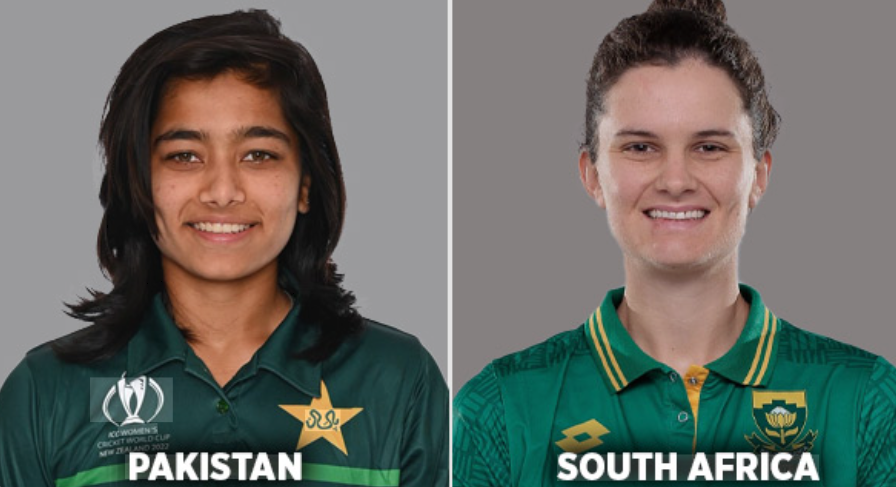
The rivalry between Pakistan Women and South Africa Women has steadily grown into one of the most competitive contests in modern women’s cricket. What started as a battle between two developing teams slowly turned into a rivalry filled with pressure moments, tactical battles, and emotional victories. South Africa often entered matches as the stronger side because of aggressive batting and athletic fielding, while Pakistan relied on disciplined bowling and fighting spirit to challenge difficult opponents. Across ODIs and T20Is, both teams produced memorable performances, dramatic finishes, and impressive individual records. Fans witnessed young stars rise, captains make bold tactical decisions, and bowlers dominate tense situations throughout this timeline.
Latest Matches
Date
Match Type
Venue
Winner
Margin
Top Scorer
Best Bowler
01 Mar 2026
3rd ODI
Durban
Pakistan
119 runs
Sadaf Shams (97)
Sadia Iqbal (3/41)
25 Feb 2026
2nd ODI
Centurion
South Africa
16 runs
Tazmin Brits (103)
Nonkululeko Mlaba (3/52)
22 Feb 2026
1st ODI
Bloemfontein
South Africa
37 runs
Suné Luus (78)
Ayabonga Khaka (4/38)
16 Feb 2026
3rd T20I
Benoni
Pakistan
53 runs
Fatima Sana (47)
Nashra Sandhu (3/14)
13 Feb 2026
2nd T20I
Benoni
South Africa
6 wickets
Muneeba Ali (38)
Marizanne Kapp (3/18)
10 Feb 2026
1st T20I
Potchefstroom
South Africa
5 wickets
Laura Wolvaardt (64)
Tuba Hassan (2/29)
21 Oct 2025
ODI WC
Colombo
South Africa
150 runs
Laura Wolvaardt (90)
Marizanne Kapp (3/20)
Team Statistics Summary
Format
Total Played
South Africa Won
Pakistan Won
No Result
Highest Score SA
Highest Score PAK
ODI Matches
31
21
9
1
361/8
345/9
T20I Matches
24
13
11
0
184/4
180/9
World Cup ODI
5
4
1
0
292/7
230/9
World Cup T20
3
2
1
0
136/6
130/5
Last 10 Matches
10
6
4
0
361/8
345/9
Home Series
18
12
5
1
361/8
345/9
Away Series
15
9
6
0
184/4
180/9
Individual Batting Records
Player Name
Team Name
Total Runs
Highest Score
Batting Average
Strike Rate
Centuries
Laura Wolvaardt
South Africa
1104
143
46.00
82.45
3
Sidra Ameen
Pakistan
812
121
35.30
74.12
1
Marizanne Kapp
South Africa
789
121
39.45
91.20
1
Muneeba Ali
Pakistan
674
85
29.30
110.50
0
Tazmin Brits
South Africa
645
171
43.00
85.15
2
Aliya Riaz
Pakistan
588
81
26.72
88.34
0
Suné Luus
South Africa
542
78
30.11
78.40
0
Individual Bowling Records
Player Name
Team Name
Total Wickets
Best Bowling
Economy Rate
Bowling Average
Five Wicket Hauls
Marizanne Kapp
South Africa
34
3/20
4.12
21.40
0
Nashra Sandhu
Pakistan
29
4/26
4.35
23.15
0
Ayabonga Khaka
South Africa
27
4/38
4.48
24.60
0
Sadia Iqbal
Pakistan
25
3/41
4.20
22.80
0
Nonkululeko Mlaba
South Africa
22
3/52
4.85
26.10
0
Fatima Sana
Pakistan
21
4/43
5.10
28.45
0
Shabnim Ismail
South Africa
19
3/18
3.85
19.30
0
When Two Growing Teams Began Crossing Paths
Pakistan and South Africa women started building an interesting cricket connection when both teams were still trying to establish themselves in international cricket. South Africa entered the rivalry with stronger domestic support and a more aggressive style, while Pakistan relied heavily on discipline and spin bowling. Their early meetings were not surrounded by massive media attention, but the contests slowly gained importance because both sides wanted recognition in global women’s cricket. South Africa often looked stronger in batting depth, yet Pakistan showed resilience through patient bowling spells and controlled fielding. Several close matches created emotional moments for players and supporters, especially in low scoring encounters where every run carried pressure. These early contests helped shape confidence for younger players and also pushed both cricket boards to invest more in women’s cricket development. Over time, fans started treating these matches as more than ordinary fixtures because they consistently produced tense moments, tactical battles, and memorable performances under pressure situations.
Match
Venue
Winner
Margin
Key Performer
ODI Match
Karachi
South Africa
6 Wickets
Fast Bowler Spell
T20I Match
Lahore
South Africa
18 Runs
Opening Batter
ODI Clash
Durban
Pakistan
2 Wickets
Spin Bowler
T20 Contest
Cape Town
South Africa
7 Wickets
All Rounder
ODI Series Game
Johannesburg
South Africa
54 Runs
Middle Order Batter
The First Encounters That Set The Competitive Tone
The opening phase of this rivalry was shaped by cautious cricket, defensive batting, and calculated bowling plans. Pakistan focused on controlling run flow with experienced spinners, while South Africa attempted to dominate through pace bowling and attacking field placements. These matches rarely became high scoring thrillers because both teams preferred avoiding mistakes rather than taking unnecessary risks. South Africa slowly began understanding how to attack Pakistan’s middle order, especially by bowling short deliveries and maintaining pressure during powerplays. Pakistan, however, found success whenever their bowlers forced South Africa into slower scoring patterns. The tension between patience and aggression became the identity of the rivalry during those years. Supporters admired the determination shown by both sides because even small partnerships often changed the entire direction of the game. Many young players earned recognition during this period, proving that these matches were becoming valuable platforms for emerging talent and future leaders in women’s international cricket competitions.
Series
Format
Winning Side
Top Scorer
Best Bowling
Bilateral Series
ODI
South Africa
Senior Batter
4 Wickets
International Match
T20I
Pakistan
Captain Knock
Spinner Spell
Away Tour Game
ODI
South Africa
Opener Fifty
Pace Attack
Neutral Venue Match
T20I
South Africa
Finisher Role
Death Overs
ICC Fixture
ODI
Pakistan
Middle Order
Spin Control
South Africa’s Aggressive Era And Pakistan’s Search For Stability
As the rivalry progressed, South Africa entered a stronger phase with more confidence and improved athletic standards. Their batters played with freedom, especially during chasing situations, while the bowling attack consistently applied pressure in the powerplay overs. Pakistan struggled with batting consistency and often depended on one or two players to carry the innings. Despite these challenges, Pakistan remained competitive because of disciplined bowling and emotional determination in tight moments. Some matches became dramatic due to collapses, dropped catches, and unexpected partnerships that shifted momentum suddenly. South Africa developed a reputation for controlling pressure situations calmly, whereas Pakistan frequently relied on fighting spirit to recover from difficult positions. The rivalry became emotionally charged because every close finish created stronger reactions among supporters and media analysts. Several contests during this era highlighted how modern women’s cricket was evolving with faster scoring rates, improved fitness, and sharper tactical awareness from both teams.
Tournament
Result
Leading Batter
Leading Bowler
Match Impact
ICC Tournament
South Africa Win
Opener Century
Pace Bowler
Semi Final Push
Bilateral ODI
Pakistan Win
Captain Fifty
Spinner Control
Series Equalizer
T20I Series
South Africa Win
Aggressive Finisher
Swing Bowling
Dominant Chase
International Fixture
South Africa Win
Middle Order Runs
Death Overs Spell
Tactical Victory
ODI Clash
Pakistan Win
Young Batter
Left Arm Spinner
Upset Result
Captains Who Turned The Rivalry Into A Tactical Battle
Leadership became one of the biggest reasons why this rivalry remained competitive over the years. South African captains often preferred aggressive field settings and trusted pace bowlers in crucial overs, while Pakistan captains focused more on patience, spin variations, and defensive planning. Toss decisions frequently shaped match outcomes because pitch conditions played a major role in both countries. Several captains earned praise for making brave bowling changes during tense moments. Pakistan occasionally surprised opponents by promoting lower order hitters earlier in the innings, while South Africa showed flexibility by rotating bowlers quickly to break partnerships. Tactical planning before matches became increasingly important as analysts studied player weaknesses and scoring areas. Captains also had to manage emotional pressure from supporters and media after disappointing performances. The rivalry gained depth because leadership styles from both teams reflected completely different cricket philosophies, making every encounter feel like a strategic battle rather than a simple international match.
Captaincy Era
Team Result
Tactical Strength
Key Decision
Match Outcome
Pakistan Leadership
Competitive
Spin Rotation
Bowling First
Narrow Win
South Africa Leadership
Dominant
Pace Pressure
Aggressive Chase
Comfortable Victory
Bilateral Series
Balanced
Field Placement
Early Attack
Tight Finish
ICC Event
South Africa Edge
Bowling Changes
Powerplay Control
Important Points
Home Series
Pakistan Fightback
Defensive Plans
Slow Pitch Use
Surprise Result
Players Who Became The Face Of This Rivalry
Certain players transformed these matches into memorable contests through consistent performances and fearless cricket. South African batters often controlled games with powerful stroke play and aggressive running between the wickets. Pakistan responded through skilled spin bowlers and determined middle order partnerships that frustrated stronger opponents. Fast bowlers from both sides produced crucial breakthroughs during tense phases, especially in low scoring encounters. Some players built reputations as match winners because they repeatedly delivered under pressure. Fans closely followed individual battles between experienced batters and leading bowlers, turning these contests into emotional rivalries within the larger rivalry itself. Wicketkeepers also played critical roles through sharp stumpings and important catches during close finishes. Several young players announced themselves on the international stage through performances in these matches, proving how valuable the rivalry became for developing confidence. Over time, supporters began remembering individual heroics as much as team victories.
Player Role
Team
Performance Type
Match Influence
Memorable Moment
Opening Batter
South Africa
Fast Fifty
Strong Start
Powerplay Attack
Spin Bowler
Pakistan
Four Wickets
Middle Overs Control
Match Turnaround
All Rounder
South Africa
Match Winning Knock
Chase Finish
Boundary Sequence
Captain Batter
Pakistan
Fighting Innings
Pressure Recovery
Partnership Build
Wicketkeeper
South Africa
Sharp Dismissals
Defensive Strength
Crucial Catch
ICC Tournaments That Intensified The Contest
World tournaments added a completely different level of pressure to this rivalry because every mistake carried larger consequences. Pakistan entered these matches hoping to challenge stronger opposition and prove their improvement on the international stage. South Africa, meanwhile, often carried expectations of reaching knockout rounds and maintaining consistency against competitive teams. The atmosphere became tense as players dealt with pressure from rankings, qualification scenarios, and worldwide attention. Several tournament clashes were decided by small moments such as missed run outs, dropped catches, or brilliant death bowling spells. Pakistan occasionally surprised stronger opponents with disciplined performances that frustrated aggressive batting lineups. South Africa, however, usually relied on fitness, experience, and fielding quality to regain control during difficult situations. Fans from both countries reacted emotionally during these global events because the rivalry represented pride, progress, and ambition in women’s cricket. These ICC encounters significantly increased respect between both teams.
ICC Event
Venue
Winning Team
Turning Point
Standout Performer
World Cup Match
New Zealand
South Africa
Middle Overs Attack
Pace Bowler
T20 World Event
Australia
Pakistan
Spin Pressure
Captain Spell
Global Tournament
India
South Africa
Fast Start
Opening Batter
ICC League Match
England
South Africa
Death Overs
Finisher Role
Tournament Clash
Bangladesh
Pakistan
Bowling Recovery
Young Spinner
Tactical Evolution From Early Cricket To Modern White Ball Battles
The rivalry has evolved dramatically as women’s cricket moved toward faster scoring rates and more attacking strategies. Early matches focused heavily on survival and patience, but modern contests now feature aggressive powerplays, fearless stroke play, and advanced bowling plans. South Africa adapted quickly by building strong fitness standards and improving fielding intensity across all departments. Pakistan responded by developing younger players who could handle pressure situations more confidently than previous generations. Data analysis and match preparation also became important factors, with teams studying scoring areas, bowling lengths, and player weaknesses carefully before every series. The use of spin during middle overs remained Pakistan’s biggest tactical weapon, while South Africa continued depending on aggressive pace bowling and athletic fielding standards. Fans now expect thrilling contests rather than defensive cricket because both sides have embraced modern white ball strategies. The rivalry continues growing stronger with every new generation of talented cricketers.
Cricket Era
Playing Style
Stronger Team Aspect
Tactical Change
Match Result Trend
Early Years
Defensive Cricket
Bowling Discipline
Slow Scoring
Low Totals
Middle Phase
Balanced Approach
Tactical Planning
Better Chasing
Competitive Matches
Modern T20 Era
Aggressive Batting
Power Hitting
Faster Run Rate
High Scores
ICC Competitions
Pressure Cricket
Fielding Standards
Data Analysis
Close Finishes
Recent Matches
Fearless Intent
Young Talent
Flexible Strategy
Unpredictable Results
Conclusion
Over the years, this rivalry has reflected the growth of women’s cricket on the international stage. South Africa built success through consistency, power hitting, and smart game awareness, while Pakistan earned respect with resilience, spin bowling, and fearless performances under pressure. Every series added new drama, whether through low scoring thrillers, close finishes, or standout individual displays. The matches also helped young players gain experience and confidence against quality opposition. As women’s cricket continues to evolve with faster scoring and stronger competition, future encounters between these teams are expected to become even more exciting. This rivalry now carries pride, emotion, and growing importance for both cricketing nations.