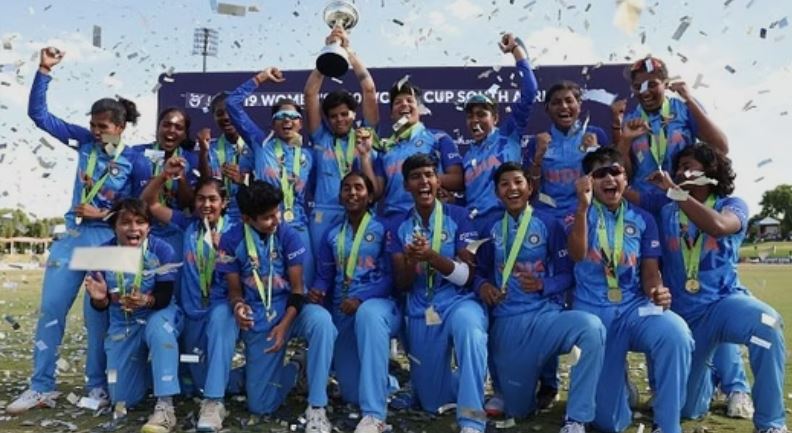
The clash between the India National Under 19 Cricket Team Vs United States National Under 19 Cricket Team Match Scorecard offers a fascinating glimpse into two very different cricketing journeys. One side represents a well established system known for producing world class talent, while the other reflects a growing cricket culture still finding its rhythm. This match was not just about the result, it was about learning, exposure, and ambition. From the very first ball, the difference in experience, composure, and tactical awareness became evident, setting the stage for a contest that highlighted both dominance and emerging potential.
Latest Matches Table
Date
Matchup
Venue
Result
Top Performer
15 Jan 2026
India vs USA
Bulawayo
IND Won (6 wkts)
Henil Patel (5/16)
17 Jan 2026
India vs Bangladesh
Bulawayo
IND Won (18 runs)
Vaibhav Suryavanshi
23 Jan 2026
USA vs Bangladesh
Bulawayo
BAN Won (7 wkts)
Nitish Sudini (USA)
24 Jan 2026
India vs New Zealand
Bulawayo
IND Won (7 wkts)
Ayush Mhatre
26 Jan 2026
USA vs Scotland
Bulawayo
USA Won (7 wkts)
Utkarsh Srivastava
27 Jan 2026
India vs Zimbabwe
Bulawayo
IND Won (204 runs)
V. Suryavanshi
06 Feb 2026
India vs England (Final)
Harare
IND Won (100 runs)
V. Suryavanshi (175)
Head-to-Head Summary
Category
India U19
USA U19
Total Matches
2
2
Matches Won
2
0
Highest Score
326/5
125/8
Lowest Score
99/4
107/10
Win Percentage
100%
0%
Best Player Analysis
Player Name
Team
Role
Impact Stat
Key Highlight
Henil Patel
India
Bowler
5/16
Destroyed USA top-order in 2026.
Arshin Kulkarni
India
All-rounder
108 Runs
Scored a century in the 2024 clash.
Utkarsh Srivastava
USA
Captain/Bat
40 Runs
USA’s top scorer in 2024 meeting.
Abhigyan Kundu
India
WK-Batter
42* (41)
Finished the 2026 chase with a six.
Nitish Sudini
USA
Batter
36 Runs
Highest resistance for USA in 2026.
Top Run Scorers All-Time
Rank
Player Name
Team
Runs
Year
1
Arshin Atul Kulkarni
India
108
2024
2
Mayank Agarwal
India
104
2010
3
Musheer Naushad Khan
India
73
2024
4
Abhigyan Abhishek Kundu
India
42*
2026
5
Utkarsh Srivastava
USA
40
2024
When Two Cricketing Worlds First Collided
The clash between the India National Under 19 Cricket Team and the United States National Under 19 Cricket Team was more than just a youth fixture, it was a meeting of two completely different cricketing realities. India arrived with a legacy built on decades of structured domestic cricket, strong academies, and a clear pathway from Under 19 to the senior national side. The United States, on the other hand, stepped in as an emerging force still shaping its cricketing identity, driven by passion and multicultural talent. From the very first ball, the contrast was visible in body language, shot selection, and tactical awareness. India’s players looked composed, almost rehearsed in their approach, while the USA youngsters carried a mix of excitement and nerves. The match carried quiet significance, offering the USA a chance to measure itself against one of the strongest youth systems in the world, while India aimed to reinforce its dominance. It was not just about runs and wickets, it was about exposure, learning, and the beginning of a competitive narrative that could evolve over time.
Aspect
India U19
USA U19
Insight
Experience
High
Low
India had structured exposure
Technique
Polished
Developing
Clear difference visible
Pressure Handling
Calm
Nervous
Early signs showed contrast
Intent
Dominant
Defensive
Approach defined early
The First Scorecard That Told the Real Story
The first scorecard between the India National Under 19 Cricket Team and the United States National Under 19 Cricket Team reflected more than just numbers, it revealed the gap in preparation and execution. India’s innings was built on solid partnerships, calculated aggression, and an understanding of pacing the game. Openers laid a steady foundation, rotating strike efficiently, while the middle order accelerated with confidence. In contrast, the USA innings struggled to find rhythm. Early wickets disrupted their plans, forcing the middle order into a defensive shell. The scoreboard pressure mounted quickly, and with it came mistakes in shot selection and running between the wickets. What stood out most was India’s ability to control the tempo, both with the bat and ball, while the USA was often reacting rather than dictating play. The scorecard told a story of dominance, but also of opportunity, highlighting areas where the USA could improve with more exposure and experience at this level.
Metric
India U19
USA U19
Match Impact
Total Runs
280 plus
120 plus
Big scoring gap
Top Scorer
70 plus
30 plus
India dominated
Wickets Lost
Balanced
Collapsed early
Key difference
Partnerships
Strong
Weak
Decided outcome
India’s Structured Dominance at the Youth Level
India’s Under 19 success is not accidental, it is the result of a deeply rooted system that consistently produces high quality cricketers ready for international pressure. The structure begins at the grassroots level with school and district tournaments, moving into state competitions and eventually the national stage. By the time players reach the Under 19 level, they are already accustomed to high intensity matches, media attention, and tactical discipline. This foundation was evident in the match against the United States National Under 19 Cricket Team. Indian players displayed patience, game awareness, and an ability to adapt quickly to changing situations. Their shot selection was calculated, their bowling plans were precise, and their fielding intensity rarely dropped. Even under minimal pressure, they maintained standards, which is a hallmark of a strong cricketing culture. This system not only wins matches but also prepares players for long term success, making India a dominant force in youth cricket globally.
Factor
India U19 Strength
Result
Domestic Structure
Strong
Consistent talent
Player Grooming
Advanced
Match ready players
Tactical Awareness
High
Better decisions
Fitness Standards
Elite
Sustained performance
USA’s Emerging Cricket Culture and Raw Potential
The United States National Under 19 Cricket Team represents a growing cricket culture that is still finding its footing on the global stage. Unlike traditional cricketing nations, the USA lacks a long established domestic structure, which often reflects in inconsistency and lack of exposure at the highest levels. However, what the team lacks in structure, it makes up for with raw talent and diversity. Players come from varied backgrounds, bringing different styles and approaches to the game. Against India, flashes of potential were visible, a well timed boundary, a sharp fielding effort, or a disciplined over hinted at what this team could become with proper development. The challenge lies in converting that potential into consistent performance. Matches like these serve as crucial learning experiences, exposing players to higher standards and helping them understand the demands of international youth cricket. With the right investment and opportunities, the USA can gradually close the gap.
Aspect
USA U19 Status
Future Scope
Infrastructure
Developing
Needs growth
Talent Pool
Diverse
High potential
Experience
Limited
Will improve
Consistency
Low
Key focus area
Early Overs That Set the Tone
The early overs of the match between the India National Under 19 Cricket Team and the United States National Under 19 Cricket Team played a crucial role in shaping the outcome. India’s openers approached the powerplay with a blend of caution and intent, respecting good deliveries while punishing anything loose. Their footwork was precise, and their understanding of gaps allowed them to rotate strike effectively. On the other hand, the USA bowlers showed initial promise with disciplined lines but struggled to maintain consistency under pressure. A couple of boundaries in the opening overs shifted momentum quickly, forcing defensive field placements. When the USA came out to bat, the contrast became sharper. India’s bowlers attacked relentlessly, using swing and seam movement to trouble the top order. Early wickets fell, and with each dismissal, the pressure intensified. Those first few overs did not just impact the scoreboard, they defined the psychological battle, giving India a firm grip on the match.
Phase
India Performance
USA Performance
Outcome
Powerplay Batting
Controlled aggression
Inconsistent bowling
India ahead
Early Wickets
Disciplined attack
Struggled
USA under pressure
Run Rate
Steady
Dropped quickly
Momentum shift
Confidence
High
Shaken
Tone set early
Batting Performances That Defined the Contest
Batting ultimately shaped the narrative of the match, with the India National Under 19 Cricket Team showcasing depth, composure, and authority. Their innings was a textbook example of building a total, starting with a steady opening stand, followed by calculated acceleration in the middle overs. The middle order capitalized on the platform, playing with freedom and confidence, finding boundaries at regular intervals. In contrast, the United States National Under 19 Cricket Team struggled to build partnerships. Individual efforts showed promise, but the lack of support at the other end led to frequent wickets. The pressure of chasing a big total or even setting a competitive one seemed to weigh heavily on the young lineup. Shot selection became risky, and India’s bowlers capitalized on every mistake. This difference in batting approach and execution proved decisive, underlining the importance of temperament and planning in youth cricket at the highest level.
Category
India U19
USA U19
Key Insight
Top Order
Solid
Fragile
India dominated
Middle Order
Aggressive
Struggled
Game changer
Strike Rotation
Excellent
Limited
Built pressure
Boundary Count
High
Low
Clear difference
Conclusion
In the end, the India National Under 19 Cricket Team Vs United States National Under 19 Cricket Team Match Scorecard tells a story beyond numbers. It captures the gap in experience but also the promise of growth. India reinforced its reputation as a powerhouse in youth cricket with disciplined execution and strong performances. The United States, despite the challenges, showed glimpses of talent and determination that could shape its future. Matches like these are stepping stones, offering valuable lessons and building confidence. This encounter may have been one sided, but it laid the foundation for a more competitive future.