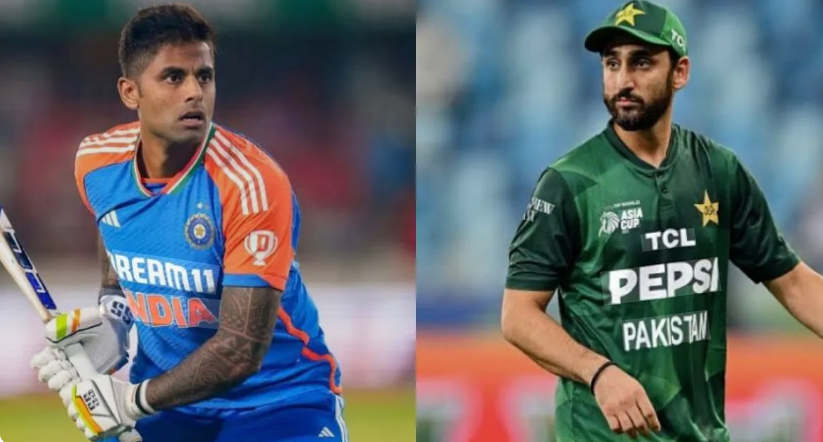
The India National Cricket Team vs Pakistan National Cricket Team stats reflect more than numbers, they capture decades of passion, pressure, and unforgettable cricketing drama. This rivalry is built on history, emotion, and moments that have shaped the sport itself. From cautious early encounters to high intensity World Cup clashes, every match tells a story of pride and resilience. Scorecards reveal not just runs and wickets but the shifting momentum and mental battles between two cricketing giants. It is a rivalry where heroes are made overnight and every performance is remembered for generations.
Latest Matches
Date
Venue
Format
Winner
Scorecard
15 Feb 2026
Colombo
T20I
India
India 175/7, Pakistan 114
07 Nov 2025
Hong Kong
Other
India
India 86, Pakistan 84
28 Sep 2025
Dubai
T20I
India
Pakistan 146, India 150/5
21 Sep 2025
Dubai
T20I
India
Pakistan 171/5, India 174/4
14 Sep 2025
Dubai
T20I
India
Pakistan 127/9, India 131/3
23 Feb 2025
Dubai
ODI
India
Pakistan 241, India 244/4
01 Nov 2024
Hong Kong
Other
Pakistan
India 80, Pakistan 86/0
Head-to-Head Summary Table
Format
Played
India Won
Pakistan Won
No Result/Draw
Test Matches
59
9
12
38
One Day Internationals
136
58
73
5
T20 Internationals
17
14
3
0
Overall Total
212
81
88
43
Best Player Analysis Table
Player Name
Impact Category
Key Achievement
Notable Performance
Virat Kohli
Batting
Highest T20I Average
82* at Melbourne 2022
Rohit Sharma
Batting
Most ODI Centuries
140 at Manchester 2019
Wasim Akram
Bowling
Most ODI Wickets
60 wickets in head-to-head
Sachin Tendulkar
Batting
World Cup Dominance
98 at Centurion 2003
Saqlain Mushtaq
Bowling
Test Match Specialist
10 wickets at Chennai 1999
Top Run Scorers All-Time
Batsman
Team
Format
Total Runs
High Score
Sachin Tendulkar
India
ODI
2526
141
Inzamam-ul-Haq
Pakistan
ODI
2403
122
Saeed Anwar
Pakistan
ODI
2002
194
Rahul Dravid
India
ODI
1899
105
Mohammad Yousuf
Pakistan
ODI
1888
100
Virat Kohli
India
T20I
492
82*
Babar Azam
Pakistan
T20I
103
68*
When It All Began A Rivalry Born Beyond Cricket
The India National Cricket Team vs Pakistan National Cricket Team stats story begins in 1952 when the two nations met for the first time in a Test series shaped as much by history as by cricket. Every ball carried emotion, every run felt symbolic. India hosted the first series and dominated with disciplined bowling and cautious batting, reflecting the era’s mindset. Lala Amarnath’s leadership and India’s spin strength proved decisive while Pakistan showed flashes of resilience. The scorecards from these early games reveal low scoring totals, patient innings, and long spells of defensive cricket. It was not about flair but survival and pride. Crowds watched in silence and tension rather than celebration. This was more than a match, it was identity taking shape on the field. The rivalry was not explosive yet, but it was intense in a quiet, simmering way that laid the foundation for decades of fierce competition.
Match
Venue
Winner
Key Player
Result Margin
1st Test 1952
Delhi
India
Lala Amarnath
Innings Win
2nd Test 1952
Lucknow
Draw
Nazar Mohammad
Draw
3rd Test 1952
Mumbai
India
Vinoo Mankad
10 Wickets
4th Test 1952
Chennai
India
Polly Umrigar
1 Innings
Early Encounters Building Tension Through the 1950s and 60s
Through the 1950s and 60s the India National Cricket Team vs Pakistan National Cricket Team stats reflected a rivalry growing slowly but steadily. Matches were often defensive with batters valuing their wickets above all else. Draws were common, not because of lack of effort but because neither side wanted to give away an inch. Bowlers dominated long sessions and partnerships were built brick by brick. Players like Hanif Mohammad became symbols of resistance while India relied on technical discipline. Scorecards from this era show long innings, low strike rates, and minimal risk taking. Yet beneath this calm surface tension was building. Every series added a new layer of competitiveness and psychological edge. Victories were rare but deeply meaningful. The rivalry was learning how to breathe, how to stretch, and how to wait for the right moment to explode into something bigger in the coming decades.
Series
Year
Venue
Winner
Notable Player
Test Series
1954
India
Draw
Polly Umrigar
Test Series
1955
Pakistan
Draw
Hanif Mohammad
Test Series
1960
Pakistan
Pakistan
Fazal Mahmood
Test Series
1961
India
India
Nari Contractor
The 1978 Revival Cricket Returns With Fire
After years of political silence, the India National Cricket Team vs Pakistan National Cricket Team stats took a dramatic turn in 1978 when India toured Pakistan. Cricket returned with energy, noise, and aggression. The crowds were louder, the players more expressive, and the stakes much higher. Sunil Gavaskar’s calm presence met Imran Khan’s fiery pace, creating a clash of styles that thrilled fans. Unlike earlier decades, matches now had momentum shifts and attacking intent. Scorecards began to reflect higher totals and faster scoring rates. Pakistan dominated the series but India showed glimpses of resilience. This revival reignited passion on both sides and made it clear that the rivalry had entered a new era where results mattered more than caution. Cricket was no longer just a game between neighbors, it was a spectacle fueled by pride and competition.
Match
Year
Venue
Winner
Key Performer
ODI 1
1978
Karachi
Pakistan
Zaheer Abbas
ODI 2
1978
Lahore
Pakistan
Imran Khan
Test 1
1978
Faisalabad
Pakistan
Majid Khan
Test 2
1978
Lahore
Pakistan
Sarfraz Nawaz
Sharjah Storms Desert Battles That Changed Everything
The India National Cricket Team vs Pakistan National Cricket Team stats reached a boiling point in Sharjah during the 1980s where neutral venue clashes created unforgettable drama. Packed stadiums, high stakes finals, and last over thrillers turned every match into a spectacle. Javed Miandad’s last ball six in 1986 became one of cricket’s most iconic moments, instantly shifting the psychological balance. Scorecards from Sharjah show high scoring chases, tight finishes, and individual brilliance under pressure. India had stars like Kapil Dev and Ravi Shastri while Pakistan relied on Miandad and Wasim Akram. These matches were fast paced and emotionally charged. Sharjah transformed the rivalry into global entertainment where every delivery mattered and every mistake was costly. It was here that the rivalry truly became unpredictable and fiercely competitive.
Match
Year
Venue
Winner
Key Moment
Final
1986
Sharjah
Pakistan
Miandad 6
Match
1985
Sharjah
India
Shastri Award
Final
1988
Sharjah
Pakistan
Akram Spell
Match
1989
Sharjah
India
Kapil Dev Allround
World Cup Clashes India’s Psychological Dominance Begins
When it comes to global tournaments, the India National Cricket Team vs Pakistan National Cricket Team stats show a clear pattern of Indian dominance especially in World Cups. Starting from 1992, India built an unbeaten record that added immense psychological pressure on Pakistan. Each match carried knockout intensity regardless of stage. Players like Sachin Tendulkar, Rahul Dravid, and later Virat Kohli delivered under pressure while Pakistan often struggled to capitalize on key moments. Scorecards from these clashes highlight India’s consistency in both batting and bowling. The mental edge became as important as skill. Fans began to expect India to win these encounters, adding more pressure on Pakistan. This phase turned the rivalry into a one sided mental battle in ICC events, even though talent on both sides remained equally strong.
Match
Year
Venue
Winner
Key Player
WC Match
1992
Sydney
India
Kapil Dev
WC Match
1996
Bangalore
India
Sidhu
WC Match
2003
Centurion
India
Tendulkar
WC Match
2011
Mohali
India
Sachin
1996 Quarterfinal The Night Emotions Boiled Over
The 1996 World Cup quarterfinal in Bangalore stands as one of the most intense chapters in India National Cricket Team vs Pakistan National Cricket Team stats. The atmosphere was electric with fans fully invested in every moment. India posted a competitive total thanks to Navjot Sidhu and Ajay Jadeja’s late flourish. Pakistan’s chase started strong but tension escalated quickly. The defining moment came when Aamir Sohail gestured aggressively after hitting a boundary only to be bowled next ball by Venkatesh Prasad. That single moment shifted momentum and ignited the crowd. Scorecards show a close contest but emotionally it felt like a landslide. India held their nerve while Pakistan crumbled under pressure. This match became a symbol of how quickly fortunes can change in high stakes games and remains etched in cricket history.
Match
Year
Venue
Winner
Turning Point
Quarterfinal
1996
Bangalore
India
Prasad Wicket
Score India
1996
Bangalore
287
Jadeja Finish
Score Pakistan
1996
Bangalore
248
Collapse
MOM
1996
Bangalore
India
Jadeja
1999 Chennai Test A Battle of Skill and Heartbreak
The 1999 Chennai Test added emotional depth to India National Cricket Team vs Pakistan National Cricket Team stats. It was a pure cricketing contest filled with skill, tension, and heartbreak. Pakistan set a challenging target and India’s hopes rested on Sachin Tendulkar who played one of the greatest innings under pressure. Battling pain and pressure, he brought India close to victory before falling at a crucial moment. The crowd, though heartbroken, gave Pakistan a standing ovation after their narrow win, showing the spirit of the game. Scorecards reveal how evenly matched the teams were with every run contested fiercely. This match proved that beyond rivalry there exists respect. It remains one of the finest examples of Test cricket drama where emotion, skill, and sportsmanship came together in unforgettable fashion.
Match
Year
Venue
Winner
Key Player
Test
1999
Chennai
Pakistan
Wasim Akram
India Score
1999
Chennai
258
Tendulkar 136
Pakistan Score
1999
Chennai
286
Inzamam
Result
1999
Chennai
Pakistan
12 Runs
Conclusion
The India National Cricket Team vs Pakistan National Cricket Team stats stand as a testament to one of cricket’s greatest rivalries. Across eras, formats, and conditions, this contest has delivered iconic moments, legendary performances, and unmatched intensity. Each scorecard adds a new chapter, each match deepens the narrative. Beyond wins and losses, it is the emotion, pressure, and global attention that define this rivalry. As new players step in and fresh battles unfold, the legacy continues to grow, ensuring that this historic cricketing clash remains as compelling as ever.