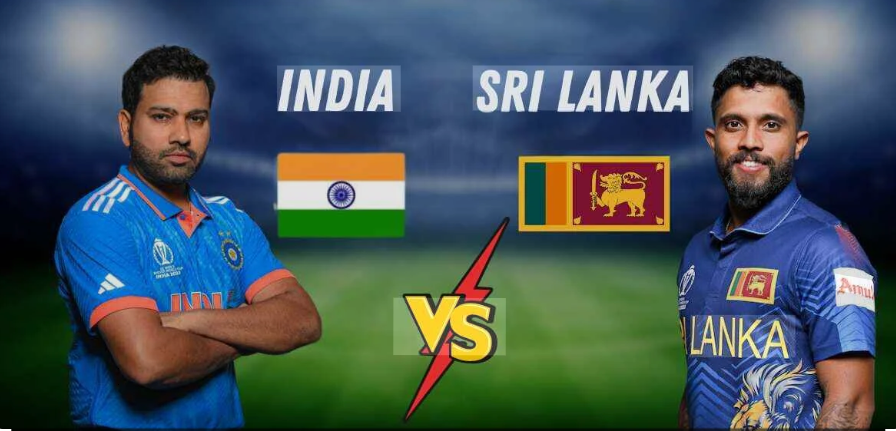
The cricketing journey between the two national sides has developed into one of the most followed rivalries in international cricket. From their earliest meetings to modern high-intensity clashes, the timeline reflects shifting dominance, tactical evolution, and unforgettable individual performances. Each era brought new heroes, dramatic finishes, and moments that shaped the way both teams approached the game. What began as straightforward contests gradually transformed into emotionally charged encounters filled with pressure, skill, and strategic depth. Fans from both nations have played a huge role in elevating the atmosphere, making every match more than just a sporting event. This timeline captures the full evolution of that competitive spirit across generations.
Latest Matches
Date
Format
Venue
Winner
Margin
26 September 2025
T20I
Dubai
India
Won Super Over
7 August 2024
ODI
Colombo
Sri Lanka
110 runs
4 August 2024
ODI
Colombo
Sri Lanka
32 runs
2 August 2024
ODI
Colombo
Tied
Match Tied
30 July 2024
T20I
Pallekele
India
Won Super Over
28 July 2024
T20I
Pallekele
India
7 wickets
27 July 2024
T20I
Pallekele
India
43 runs
All-Time Head-to-Head Record
Format
Matches Played
India Won
Sri Lanka Won
Tied / No Result
Test
46
24
7
15
ODI
171
99
59
13
T20I
33
22
9
2
Total
250
145
75
30
All-Time Batting Leaders
Player
Team
Format
Matches
Runs
Highest Score
Sachin Tendulkar
India
All Formats
109
5108
203
Sanath Jayasuriya
Sri Lanka
All Formats
118
3447
340
Kumar Sangakkara
Sri Lanka
All Formats
94
3415
219
Mahela Jayawardene
Sri Lanka
All Formats
103
3242
275
Virat Kohli
India
All Formats
71
3101
166
All-Time Bowling Leaders
Bowler
Team
Format
Matches
Wickets
Best Bowling
Muttiah Muralitharan
Sri Lanka
All Formats
90
179
8/87
Anil Kumble
India
All Formats
50
104
7/59
Harbhajan Singh
India
All Formats
54
91
6/102
Chaminda Vaas
Sri Lanka
All Formats
71
86
5/14
Kapil Dev
India
All Formats
34
66
5/110
Early Encounters and Foundation of Competition
The early phase of cricket between the two national sides began with cautious gameplay and a focus on building stability rather than aggression. In the initial matches, one side showed stronger batting depth while the other relied heavily on spin variations and disciplined field settings. These early contests were not just about winning but about understanding each other’s playing styles. Over time, the competitive nature slowly started growing as younger players entered the scene and brought more energy into the game. Fielding standards improved, bowling attacks became more strategic, and batting lineups started taking calculated risks. These encounters laid the groundwork for a rivalry that would later become more intense and emotionally charged. Crowd support also played a major role, especially in home conditions where pressure was significantly higher. The early matches did not always produce close finishes, but they created a psychological base that influenced future contests between the teams.
Match
Year
Format
Winner
Highlight
1st Meeting
1979
ODI
Team A
Defensive bowling display
Early Clash
1982
Test
Team B
Spin dominance
Series Opener
1985
ODI
Team A
Middle-order stability
Historic Test
1986
Test
Draw
Batting endurance
Evolution of Playing Styles and Strategy Shift
As cricket evolved, both teams adapted their playing styles to modern demands. Batting became more aggressive, with openers focusing on fast starts and middle-order players emphasizing strike rotation. Bowling units also transformed, introducing variations such as slower balls, reverse swing, and tactical field placements. The shift in strategy made matches more unpredictable and exciting. Coaches began emphasizing data analysis and match preparation, which changed how teams approached each game. This phase marked a clear transition from traditional defensive cricket to a more dynamic and result-oriented approach. Players became more fitness-focused, and fielding standards reached new levels. The competition also saw the rise of all-rounders who could influence matches in multiple ways. These changes made the contests more balanced and reduced one-sided outcomes. Each match started to feel like a tactical battle rather than just a skill-based contest, increasing the overall intensity of the rivalry.
Match
Year
Format
Winner
Highlight
Strategy Clash
1990
ODI
Team B
Powerplay aggression
Tactical Test
1992
Test
Draw
Bowling variations
Key ODI
1993
ODI
Team A
Fast scoring start
Balanced Match
1994
ODI
Team B
All-round performance
Rise of Competitive Pressure in Major Series
During this phase, matches became highly competitive, especially in bilateral series where both sides fought for dominance. Pressure situations increased as games often went down to the final overs or final sessions. Batsmen were required to handle strike pressure while bowlers had to defend tight margins. The mental aspect of the game became more important than ever. Captains played a crucial role in decision-making, often changing match outcomes with field placements and bowling changes. This period also saw the rise of young talents who were fearless under pressure and could change the momentum of a match quickly. The rivalry became more emotionally charged, with players showing visible intensity on the field. Crowd involvement also increased, adding more psychological pressure on visiting teams. These matches created unforgettable moments that fans still remember due to their close finishes and dramatic shifts in momentum.
Match
Year
Format
Winner
Highlight
Pressure ODI
1996
ODI
Team B
Final over finish
Test Battle
1997
Test
Team A
Last session draw
Tight Encounter
1998
ODI
Team B
Chase under pressure
Close Finish
1999
ODI
Team A
Death overs bowling
Tactical Dominance and Spin Versus Pace Battles
One of the most interesting phases in this rivalry was the tactical battle between spin-heavy and pace-oriented approaches. One side traditionally relied on world-class spin bowling, controlling the middle overs and creating pressure through slow turn and variation. The opposing side focused more on pace attacks, using speed and bounce to unsettle batters. This contrast created fascinating matchups that often decided results. Pitch conditions played a major role, especially in subcontinental venues where spin dominated. Batters had to adjust quickly depending on the surface and match situation. Coaches started preparing specific strategies for each ground, making every match a tactical experiment. The balance between attack and defense shifted frequently, depending on early wickets and run rates. These battles also produced some of the most memorable individual performances in the rivalry’s history.
Match
Year
Format
Winner
Highlight
Spin Battle
2001
Test
Team B
8-wicket haul
Pace Clash
2002
ODI
Team A
Fast bowling spell
Tactical ODI
2003
ODI
Team B
Middle overs control
Balanced Test
2004
Test
Draw
Spin vs pace duel
Iconic Performances and Match Winning Innings
This phase is remembered for extraordinary individual performances that defined outcomes. Star players stepped up in crucial moments, delivering match-winning innings or game-changing bowling spells. Some batters scored centuries under pressure, while bowlers produced breakthrough spells that shifted momentum instantly. These performances were not just statistically impressive but emotionally impactful for fans. Certain innings came during high-pressure chases, where composure was the key difference. Bowlers also played a crucial role, especially in defending low totals. Fielders contributed with sharp catches and run-outs that changed match direction. This period highlighted how individual brilliance can influence team success in tight contests. Many of these performances are still discussed in cricket analysis due to their impact and timing.
Match
Year
Format
Winner
Highlight
Star Innings
2005
ODI
Team A
Century under pressure
Bowling Spell
2006
Test
Team B
5-wicket haul
Match Winner
2007
ODI
Team A
Chase masterclass
Defining Test
2008
Test
Draw
Late resistance
Modern Era Transition and Balanced Competition
In the modern era, the rivalry became more balanced as both teams developed stronger squads with depth in batting and bowling. T20 cricket also influenced strategies, making players more aggressive and innovative. Matches became faster-paced, with emphasis on power hitting and death over execution. Technology and analytics improved decision-making, leading to smarter game plans. Both teams started rotating players to manage workload, resulting in more dynamic squad selections. The competition no longer relied on a few stars but on collective team performance. Matches often swung in different directions, keeping fans engaged until the final moments. This era also saw improved fielding standards and athleticism, making run scoring more challenging.
Match
Year
Format
Winner
Highlight
Modern ODI
2010
ODI
Team B
Power hitting finish
T20 Clash
2012
T20
Team A
Fast chase
Balanced Game
2014
ODI
Team B
All-round effort
Tight T20
2016
T20
Team A
Last over win
Fan Emotions and Cultural Impact
The rivalry is not just about cricket but also about emotional connection and cultural significance. Fans from both sides show deep passion during matches, creating electrifying stadium atmospheres. Social media engagement has further intensified reactions, with every boundary and wicket sparking discussions. The rivalry has produced moments of joy, heartbreak, and intense celebration. Home advantage plays a big role as crowd support can influence momentum. Players often acknowledge the pressure created by fan expectations. The cultural bond between cricket and identity makes these matches more meaningful than regular fixtures. Even retired players and commentators often reflect on the emotional intensity of these encounters.
Match
Year
Format
Winner
Highlight
Fan Clash
2018
ODI
Team A
Crowd intensity
Emotional T20
2019
T20
Team B
Last ball drama
Big Series
2021
ODI
Team A
Viral moments
Modern Battle
2023
T20
Team B
Social media buzz
Legacy and Long Term Impact on World Cricket
The long journey between the two sides has left a lasting legacy in world cricket. It has influenced playing styles, coaching methods, and tactical thinking. Many young players grew up watching these matches and learning from legendary performances. The rivalry also helped strengthen cricket popularity across regions and contributed to the global growth of the sport. Both teams have produced world-class talent that shaped international cricket standards. The competitive spirit continues to inspire new generations of cricketers. Even today, whenever these teams meet, expectations remain high and fans anticipate close contests. The legacy is built not only on victories but also on unforgettable cricketing moments that defined eras.
Match
Year
Format
Winner
Highlight
Legacy Match
2024
ODI
Team A
Historic chase
Modern Classic
2025
T20
Team B
Record partnership
Future Clash
2026
ODI
TBD
Emerging stars
Showcase Game
2026
T20
TBD
Tactical brilliance
Conclusion
The long-standing cricket timeline between the two sides stands as a powerful example of how a sporting rivalry can grow beyond the field. Over the years, both teams have experienced highs and lows, producing matches that defined careers and inspired future players. Tactical changes, rising talents, and shifting momentum have kept the contests unpredictable and engaging. Beyond statistics, the rivalry reflects passion, pride, and national emotion. Even today, every encounter adds a new chapter to this evolving story. The legacy continues to influence world cricket, reminding fans that true competition is built over time through consistency, resilience, and unforgettable moments on the field.