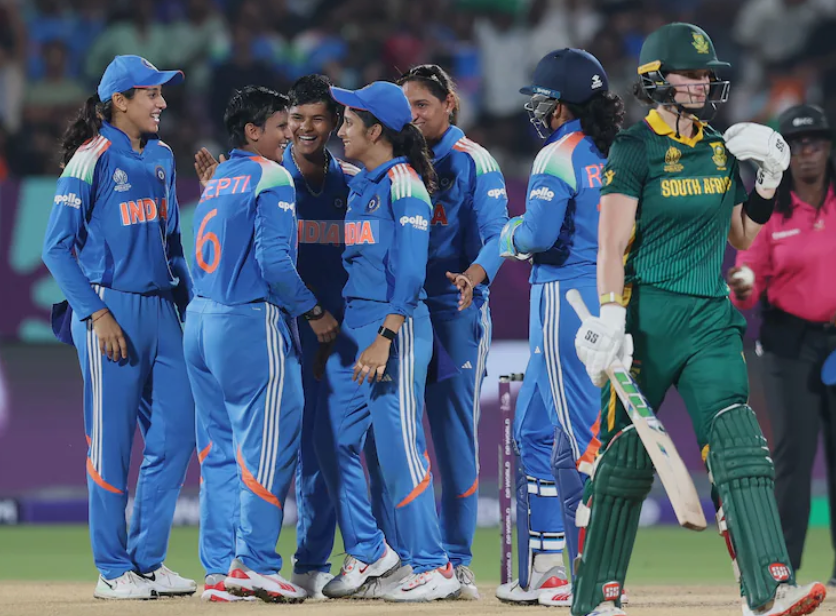
The rivalry between the India women’s side and South Africa women’s side has developed into one of the most competitive battles in modern cricket. Over the years, both teams have delivered thrilling ODI and T20I contests filled with pressure moments, tactical brilliance, and unforgettable individual performances. India’s strength in spin bowling and experienced batting lineups often collided with South Africa’s aggressive pace attack and fearless approach. From low-scoring thrillers to dramatic World Cup encounters, every series added fresh intensity to this growing rivalry. Legendary players like Mithali Raj, Harmanpreet Kaur, Shabnim Ismail, and Laura Wolvaardt played massive roles in shaping memorable contests that cricket fans still discuss today across formats.
Latest Matches Table
Match Date
Match Format
Host Venue
Winner of Match
Margin of Victory
Total Match Runs
27 April 2026
Twenty20 International
Benoni
South Africa Women
23 runs
287 runs
25 April 2026
Twenty20 International
Johannesburg
India Women
14 runs
356 runs
22 April 2026
Twenty20 International
Johannesburg
South Africa Women
9 wickets
385 runs
19 April 2026
Twenty20 International
Durban
South Africa Women
8 wickets
295 runs
17 April 2026
Twenty20 International
Durban
South Africa Women
6 wickets
315 runs
02 November 2025
One-Day International
Navi Mumbai
India Women
52 runs
544 runs
All-Time Head-to-Head Record Table
Cricket Format Category
Total Matches Played
India Women Won
South Africa Women Won
Matches Tied or Drawn
India Women Win Percentage
Women One-Day International
34
20
13
1
58.82 percent
Women Twenty20 International
26
11
10
5
42.30 percent
Women Test Matches
3
3
0
0
100.00 percent
Matches Played in India
31
18
10
3
58.06 percent
Matches Played in South Africa
27
13
12
2
48.14 percent
Combined Overall Record
63
34
23
6
53.96 percent
All-Time Batting Leaders Table
Player Name
National Team Represented
Total Runs Scored
Overall Batting Average
Highest Individual Score
Total Career Fours
Smriti Mandhana
India
1131
51.61
135
116
Harmanpreet Kaur
India
963
50.68
107
83
Mignon du Preez
South Africa
856
32.92
90
78
Laura Wolvaardt
South Africa
794
36.09
117
104
Mithali Raj
India
741
46.31
85
104
Lizelle Lee
South Africa
642
35.66
132
67
All-Time Bowling Leaders Table
Player Name
National Team Represented
Total Wickets Taken
Overall Bowling Average
Best Innings Bowling Figures
Matches Played
Deepti Sharma
India
22
24.15
5 wickets for 16 runs
35
Jhulan Goswami
India
20
18.11
4 wickets for 24 runs
28
Marizanne Kapp
South Africa
18
26.55
3 wickets for 24 runs
31
Shabnim Ismail
South Africa
17
28.14
4 wickets for 30 runs
26
Ayabonga Khaka
South Africa
16
29.30
3 wickets for 34 runs
25
Rajeshwari Gayakwad
India
15
22.40
3 wickets for 13 runs
21
When Two Emerging Giants First Crossed Paths
The early meetings between these two sides carried curiosity, pressure, and the excitement of a growing women’s cricket era. India relied heavily on disciplined batting and spin bowling, while South Africa focused on athletic fielding and pace control. Those first contests were not filled with massive crowds, but they slowly built respect between the teams. Several close ODI matches pushed players into difficult situations where patience mattered more than aggression. Batters learned how to survive long spells, and bowlers discovered weaknesses that later shaped future series. Fans started noticing how competitive these games became despite limited media attention. Every contest added another layer to the rivalry, especially during bilateral tournaments where momentum changed quickly. The battles between senior batters and new-ball bowlers created memorable scorecards that still remain important in women’s cricket history.
Series
Venue
Result
Top Batter
Top Bowler
ODI Series
India
India Won
Mithali Raj
Jhulan Goswami
T20I Match
South Africa
South Africa Won
Dane van Niekerk
Shabnim Ismail
ICC Event
Neutral Venue
India Won
Harmanpreet Kaur
Poonam Yadav
ODI Match
Durban
South Africa Won
Laura Wolvaardt
Marizanne Kapp
A Rivalry Built on Patience Rather Than Noise
Unlike other famous cricket rivalries filled with loud controversy, this contest developed through consistency and tactical discipline. Both teams respected conditions and often played cautious cricket before launching attacks in the middle overs. India preferred rotating strike and controlling run flow with spinners, while South Africa trusted pace bowlers to create pressure through short deliveries and tight lines. Fans appreciated the intensity because many matches remained alive until the final overs. The rivalry slowly gained attention during ICC events where knockout pressure tested both squads. Captains were forced to make bold bowling changes under pressure, and field placements became critical in low-scoring games. These encounters also highlighted how women’s cricket was improving technically and mentally. The atmosphere inside stadiums changed over the years as supporters became emotionally connected to every wicket and partnership.
Tournament
Winning Team
Margin
Leading Run Scorer
Best Figures
ODI Series
India
2 Wickets
Smriti Mandhana
Deepti Sharma
T20I Series
South Africa
5 Runs
Lizelle Lee
Ismail
ICC Match
India
3 Runs
Harmanpreet
Rajeshwari Gayakwad
Bilateral ODI
South Africa
4 Wickets
Wolvaardt
Kapp
Mithali Raj and the Era of Indian Control
During her leadership years, Mithali Raj brought calmness and structure to the Indian side. Her batting style frustrated South African bowlers because she rarely lost concentration during pressure phases. India often built victories around patient partnerships and smart strike rotation. Several important ODI wins came after Mithali stabilized innings following early wickets. South Africa struggled at times against India’s spin attack, especially when totals crossed the 240-run mark. Fans admired the way Mithali controlled tempo without unnecessary aggression. Her partnerships with experienced middle-order batters turned many difficult matches into memorable victories. Indian supporters viewed those years as the foundation of long-term dominance in the rivalry. Every series seemed to produce another composed innings from the captain, while South African bowlers searched for tactical breakthroughs. The rivalry became more balanced only when South Africa improved its pace attack and middle-order consistency.
Match Type
Captain
Runs
Result
Key Support Player
ODI
Mithali Raj
89
India Won
Jhulan Goswami
ICC ODI
Mithali Raj
71
India Won
Harmanpreet
T20I
Dane van Niekerk
52
South Africa Won
Ismail
ODI Series
Mithali Raj
94
India Won
Deepti Sharma
South Africa’s Fast Bowling Revolution Changes the Mood
The rivalry changed dramatically once South Africa developed one of the strongest pace attacks in women’s cricket. Shabnim Ismail’s raw speed added aggression that troubled Indian batters during powerplays. Short balls, yorkers, and attacking field placements became regular tactics. Indian top-order players suddenly faced uncomfortable situations against genuine pace. South Africa’s confidence increased after defending smaller totals in difficult conditions. Marizanne Kapp also played a major role with her ability to swing the ball and contribute important runs. Fans began seeing emotional celebrations and intense player reactions during close matches. India responded by improving strike rotation and attacking spin bowling during middle overs. Several T20I contests became thrilling because wickets fell quickly and momentum shifted every few overs. This period gave the rivalry a sharper edge and made every bilateral series highly competitive for both teams.
Bowler
Best Figures
Venue
Match Result
Economy
Shabnim Ismail
5/12
Lucknow
South Africa Won
3.1
Marizanne Kapp
4/20
Chennai
South Africa Won
4.0
Poonam Yadav
4/18
Surat
India Won
4.2
Deepti Sharma
3/25
Durban
India Won
5.0
World Cup Nights That Changed Everything
ICC tournaments pushed this rivalry into global recognition because every mistake carried huge consequences. Matches between these sides often decided semifinal qualification or group-stage momentum. The pressure inside stadiums became visible as players celebrated wickets with emotion and crowds reacted loudly to every boundary. India produced memorable batting performances in high-pressure chases, while South Africa impressed with fearless bowling plans. Several contests remained undecided until the final overs, creating unforgettable drama for fans. Tactical battles between captains also became more intense during these global tournaments. Bowling changes, field placements, and batting order adjustments often shaped results. Supporters from both nations started following women’s cricket with greater passion after these ICC clashes. The rivalry gained worldwide respect because neither team easily surrendered under pressure. Every World Cup meeting added another emotional chapter to their growing cricket story.
ICC Event
Venue
Winner
Player of Match
Match Turning Point
Women’s World Cup
England
India
Mithali Raj
Middle-order stand
T20 World Cup
Australia
South Africa
Kapp
Early wickets
ICC ODI Match
New Zealand
India
Harmanpreet
Death-over batting
T20 World Cup
UAE
South Africa
Wolvaardt
Powerplay spell
Spin Against Pace in the Tactical Battlefield
One of the most fascinating aspects of this rivalry has always been the contrast in bowling philosophy. India traditionally trusted spin combinations to slow scoring and create mistakes in middle overs. South Africa, meanwhile, preferred pace pressure with aggressive seam bowling. These tactical differences made every match unpredictable because conditions often decided which style would dominate. Indian spinners relied on flight and variation, while South African pacers attacked with bounce and seam movement. Batters needed completely different techniques depending on conditions and match situations. Captains constantly adjusted fields to protect boundaries or force risky shots. Several low-scoring thrillers became memorable because bowlers from both teams controlled the game for long periods. Fans loved the strategic side of these contests since momentum could change through a single over or partnership.
Bowling Style
Team Strength
Key Player
Best Match Impact
Venue
Spin Attack
India
Deepti Sharma
4 Wickets
Chennai
Pace Attack
South Africa
Ismail
Match Winning Spell
Durban
All Round Bowling
India
Sneh Rana
Controlled Chase
Bengaluru
Seam Bowling
South Africa
Kapp
Early Collapse
Cape Town
The Matches Fans Still Talk About Years Later
Certain contests between these teams became unforgettable because of drama, pressure, and emotional finishes. Some matches ended with last-over boundaries, while others were decided by brilliant bowling under tension. Fans still remember the moments when experienced players rescued collapsing innings or bowlers defended impossible totals. Harmanpreet’s aggressive stroke play, Wolvaardt’s calm batting, and Ismail’s fiery pace created iconic scenes in women’s cricket. Stadium atmospheres improved as larger crowds started attending important matches. Social media discussions after these contests proved how much the rivalry had grown globally. Many young fans discovered women’s cricket through these intense battles. Every memorable clash added respect between players while increasing competitiveness on the field. Today, the rivalry stands as one of the strongest and most balanced contests in modern women’s cricket history.
Memorable Match
Winning Side
Final Margin
Star Performer
Highlight Moment
ODI Thriller
India
2 Runs
Harmanpreet
Final Over Finish
T20I Clash
South Africa
1 Wicket
Ismail
Last Ball Victory
ICC Match
India
5 Wickets
Mithali Raj
Match Saving Fifty
Bilateral Series Decider
South Africa
3 Runs
Wolvaardt
Pressure Chase
Conclusion
This rivalry continues to grow stronger with every passing season as both teams push women’s cricket to a higher level. India’s balanced combination of experienced batters and quality spinners has repeatedly faced tough challenges from South Africa’s pace-heavy attack and disciplined middle order. The contests have produced iconic scorecards, emotional finishes, and several record-breaking performances that inspired young cricketers worldwide. Fans now eagerly wait for every meeting because the matches rarely feel predictable. Whether in ICC tournaments or bilateral series, both sides consistently deliver high-quality cricket under pressure. As new players enter the international stage, this rivalry promises even more unforgettable moments in the future.