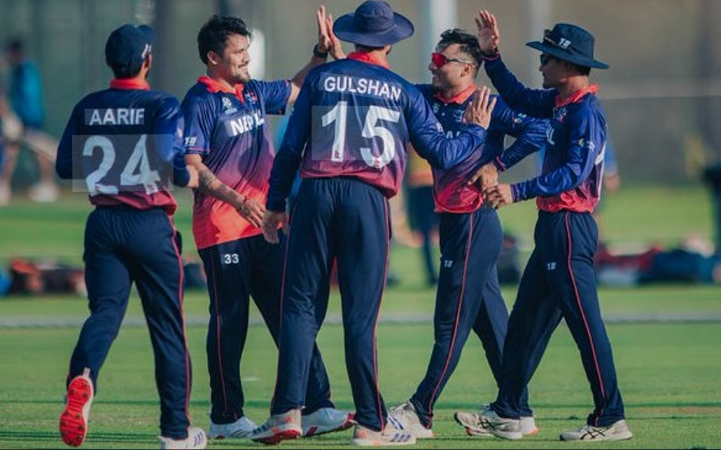
The Nepal National Cricket Team Vs United Arab Emirates National Cricket Team match scorecard tells the story of two ambitious cricketing nations constantly fighting for recognition in international cricket. What started as occasional meetings in ICC tournaments slowly transformed into a competitive rivalry shaped by pressure, passion, and unforgettable moments. Nepal entered the rivalry with energetic crowds and fearless cricket, while UAE relied on tactical discipline and experienced performers. Every match carried importance because qualification dreams, ODI status, and international pride often stood on the line. Over the years, close finishes, standout performances, and emotional contests turned this fixture into one of associate cricket’s most fascinating battles.
Resent matches table
Date
Format
Venue
Result
May 1, 2026
ODI
Kirtipur
Nepal won by 6 runs (DLS)
April 25, 2026
ODI
Kirtipur
Nepal won by 37 runs
April 21, 2026
T20I
Kirtipur
Nepal won by 8 wickets
April 20, 2026
T20I
Kirtipur
UAE won by 6 wickets (DLS)
February 3, 2026
T20I
Chennai
Nepal won by 7 wickets
November 5, 2025
ODI
Dubai
UAE won by 4 wickets
October 30, 2025
ODI
Dubai
UAE won by 5 wickets
Head-to-Head Summary Table
Format
Total Matches
Nepal Wins
UAE Wins
No Result
ODI
17
10
7
0
T20I
13
7
6
0
Overall
30
17
13
0
Best Player Analysis Table
Player
Team
Role
Impact Analysis
Dipendra Singh Airee
Nepal
All-rounder
Most consistent match-winner; scored century in May 2026 ODI
Muhammad Waseem
UAE
Batter
Leading run-scorer for UAE; high strike rates in T20Is
Sandeep Lamichhane
Nepal
Bowler
Most successful wicket-taker in the rivalry
Rohit Paudel
Nepal
Batter
Highest individual score (109) in head-to-head ODI records
Muhammad Shahdad
UAE
All-rounder
Top performer with both bat and ball in CWC League 2
Top Run Scorers All-Time
Player
Span
Matches
Total Runs
High Score
Rohit Paudel
2018-2026
30
636
109
Muhammad Waseem
2022-2026
26
629
76
Gyanendra Malla
2008-2023
34
620
64
Sharad Vesawkar
2004-2022
19
596
89
Aasif Sheikh
2022-2026
22
553
88
When Nepal and United Arab Emirates First Crossed Paths in International Cricket
The cricketing journey between Nepal and the United Arab Emirates began quietly, but few imagined it would become one of associate cricket’s most competitive rivalries. Their first international meetings came during ICC qualifiers where both teams were desperate to prove they belonged on a larger stage. Nepal brought youthful energy and passionate fan support, while UAE arrived with greater experience and stronger domestic structure. Early scorecards reflected tight battles rather than one sided dominance, creating a sense of growing mutual respect. Nepal often relied on disciplined spin bowling and energetic fielding, whereas UAE preferred calm batting and tactical planning in pressure situations. These early encounters carried more importance than many realized because qualification dreams for global tournaments often depended on them. Every run mattered, every dropped catch became costly, and every wicket shifted momentum. Slowly, what began as ordinary associate matches transformed into emotional contests filled with ambition, pressure, and belief that one victory could change a nation’s cricketing future.
Year
Tournament
Winner
Key Player
Match Result
2014
ICC Event
UAE
Experienced Batters
Close Finish
2018
League Cricket
Nepal
Spin Bowlers
Competitive Match
2019
ICC Qualifier
UAE
Top Order
Tactical Win
2022
League 2
Nepal
Middle Order
Pressure Victory
Two Emerging Asian Teams Fighting for the Same Dream
Nepal and the United Arab Emirates entered international cricket with different histories but a remarkably similar mission. Both sides wanted global recognition, ODI status, and the opportunity to challenge full member nations. Nepal carried enormous emotional backing from supporters who filled stadiums and celebrated cricket like a national movement. UAE, meanwhile, developed a reputation for calm execution, tactical awareness, and experienced players capable of handling difficult moments. As tournaments expanded, the Nepal National Cricket Team Vs United Arab Emirates National Cricket Team match scorecard became increasingly important because qualification paths repeatedly crossed. Wins were not simply points on a table but statements of intent. Defeats often triggered tactical changes, squad reshuffles, and renewed determination. Their rivalry reflected associate cricket’s hunger for progress. Fans began comparing batting depth, bowling attacks, and leadership styles while every meeting slowly gained more attention across Asian cricket circles.
Aspect
Nepal
UAE
Similar Goal
Rivalry Impact
Strength
Spin Attack
Batting Depth
ODI Growth
High Pressure
Fan Support
Massive
Growing
Global Stage
Emotional Matches
Style
Aggressive
Tactical
Qualification
Competitive Games
Focus
Youth Talent
Experience
ICC Success
Tight Results
Early Matches That Slowly Turned Respect Into Competitive Tension
The first few matches between Nepal and UAE were largely respectful contests, but repeated meetings slowly built competitive tension. Close scorecards played a huge role in intensifying emotions because neither side consistently dominated the other. Nepal frequently fought through aggressive bowling spells and energetic fielding displays, while UAE responded with patient batting and calculated partnerships. One narrow defeat could influence future tournament standings, making every contest feel more personal. As pressure increased, tactical rivalries also emerged between captains trying to outsmart each other with bowling changes and batting order adjustments. Fans noticed patterns developing, with certain players repeatedly stepping up in tense moments. Social media conversations grew stronger after dramatic finishes, especially when matches came down to final overs. Respect remained, but ambition turned games into fierce battles where neither side wanted to surrender momentum.
Match Phase
Nepal Strength
UAE Strength
Turning Point
Result Type
Early Overs
Fast Start
Stability
Wickets
Tight Finish
Middle Overs
Spin Bowling
Rotation
Partnerships
Pressure Game
Final Overs
Aggression
Experience
Nerves
Last Over Result
Knockout Games
Energy
Calmness
Captaincy
Close Match
The ICC Tournament Battles That Raised Pressure and Emotions
ICC tournaments elevated the Nepal and UAE rivalry to another level because qualification pressure transformed ordinary games into emotional battles. League tables became tighter, net run rate gained importance, and every scorecard suddenly carried greater meaning. Nepal often entered games supported by loud fans who expected fearless performances, while UAE relied on calm tactical discipline under pressure. Several encounters witnessed dramatic batting collapses, tense run chases, and bowling spells that completely changed momentum. Players understood that victories could bring them closer to World Cup dreams while defeats might delay progress for years. The emotional weight became visible through celebrations, frustrated reactions, and nervous finishes. Coaches adjusted strategies carefully, knowing even one mistake could prove costly. These ICC clashes created unforgettable moments and strengthened the rivalry as one of associate cricket’s most exciting contests.
Tournament
Importance
Nepal Edge
UAE Edge
Outcome
ICC League 2
Qualification
Crowd Energy
Experience
Close Battle
Asia Qualifier
Rankings
Spin
Batting
Tight Finish
ODI Matches
Points
Momentum
Patience
Tactical Win
ICC Events
Pressure
Passion
Discipline
Competitive Result
Tactical Chess Match Between Spin, Pace and Middle Order Stability
Tactics have always shaped Nepal versus UAE matches because both teams approach pressure cricket differently. Nepal traditionally trusts spinners to control the middle overs and break partnerships, especially on slower surfaces. UAE often counters with technically solid batters who rotate strike and avoid unnecessary risks. Fast bowlers from both sides usually focus on disciplined line and length instead of pure aggression. Middle order stability frequently becomes the deciding factor because collapses can quickly ruin strong starts. Captains constantly adjust field placements, bowling combinations, and batting order based on match situations. Some scorecards show Nepal dominating through spin, while others highlight UAE succeeding with patient batting. These tactical battles create unpredictability and ensure every match feels unique despite repeated encounters.
Tactical Area
Nepal Strategy
UAE Strategy
Key Impact
Match Effect
Bowling
Spin Focus
Pace Mix
Pressure
Wickets
Batting
Aggressive Start
Stability
Momentum
Partnerships
Captaincy
Bold Changes
Calm Plans
Control
Tight Match
Middle Order
Recovery Role
Finishing Role
Balance
Match Result
Player Rivalries That Added Fire to Nepal Vs UAE Matches
Every memorable cricket rivalry grows stronger through player battles, and Nepal versus UAE is no different. Certain bowlers repeatedly challenged the same batters, creating tension every time they met. Nepal’s aggressive spin bowlers often tested UAE’s experienced middle order, while UAE pacers targeted Nepal’s top order early to remove momentum. Captains also became central figures because tactical decisions frequently decided close games. A well timed bowling change or brave batting promotion could alter entire scorecards. Fans closely followed these personal contests and often debated which players handled pressure better. Some cricketers gained reputations as match winners through calm performances in tense moments, while others struggled against familiar opponents. Over time, these repeated duels added emotion, intensity, and drama to a rivalry already filled with qualification pressure and national pride.
Rivalry Area
Nepal Key Role
UAE Key Role
Match Impact
Fan Reaction
Top Order
Aggressive Batting
Swing Bowling
Early Momentum
High Excitement
Spin Battle
Wicket Taking
Defensive Play
Middle Overs
Tension
Captaincy
Tactical Risk
Smart Planning
Key Decisions
Debate
Finishers
Fast Runs
Calm Chase
Final Overs
Emotional End
Conclusion
The Nepal National Cricket Team Vs United Arab Emirates National Cricket Team match scorecard reflects much more than wins and losses. It captures ambition, resilience, tactical battles, and the determination of two nations trying to grow their place in world cricket. From tense ICC qualifiers to dramatic finishes and player rivalries, every contest has added another chapter to their growing history. Nepal’s fearless approach and UAE’s composed style continue to make matches unpredictable and exciting. As both teams chase bigger dreams on the global stage, this rivalry promises even more memorable scorecards, emotional moments, and unforgettable cricket battles ahead.