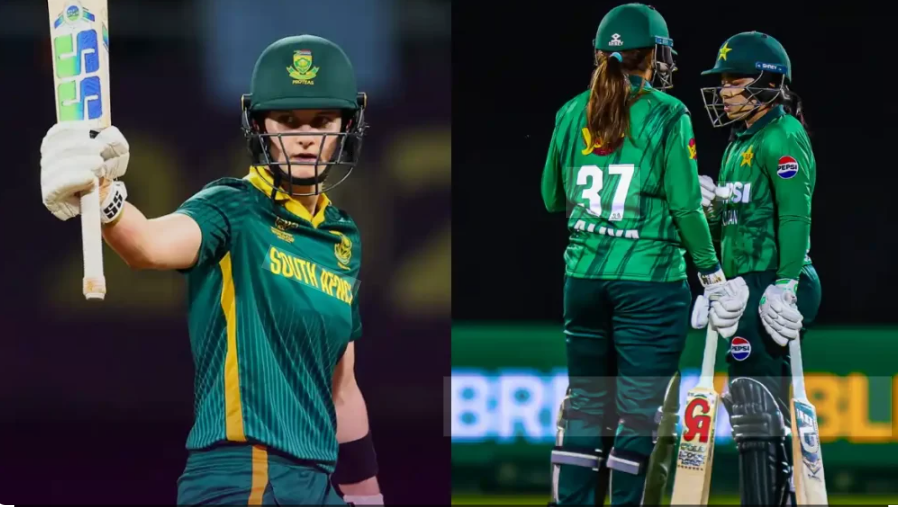
The rivalry between Pakistan Women’s National Cricket Team and South Africa Women’s National Cricket Team has grown into a compelling story of contrast, growth, and competitive spirit. From early mismatched encounters to more balanced modern contests, both teams have shaped their identity through determination and evolving cricket structures. South Africa entered with stronger experience and tactical discipline, while Pakistan gradually built confidence through exposure and development. Over the years, their matches have delivered key performances, turning points, and rising intensity. This rivalry reflects not just scorecards and stats, but the journey of two teams striving to close the gap on the international stage.
Latest Matches Table
Date
Venue
Format
Winner
Margin
First Innings Score
Second Innings Score
01 March 2026
Durban
WODI
Pakistan
119 runs
Pakistan 306/8
South Africa 187
25 February 2026
Centurion
WODI
South Africa
16 runs
South Africa 361/8
Pakistan 345
22 February 2026
Bloemfontein
WODI
South Africa
37 runs
South Africa 260/6
Pakistan 223
16 February 2026
Benoni
WT20I
Pakistan
53 runs
Pakistan 144/7
South Africa 91
13 February 2026
Benoni
WT20I
South Africa
6 wickets
Pakistan 100/9
South Africa 104/4
10 February 2026
Potchefstroom
WT20I
South Africa
5 wickets
Pakistan 180/9
South Africa 185/5
All-Time Head-to-Head Record Table
Format
Total Matches Played
South Africa Wins
Pakistan Wins
Tied Matches
No Result Matches
Win Percentage SA
Women’s One-Day Internationals
31
23
6
1
1
74.19
Women’s Twenty20 Internationals
24
13
11
0
0
54.16
All Combined Formats
55
36
17
1
1
65.45
All-Time Batting Leaders Table
Player Name
Country
Match Innings
Total Runs
Batting Average
Strike Rate
Highest Score
Marizanne Kapp
South Africa
19
677
56.41
71.26
121*
Laura Wolvaardt
South Africa
15
568
40.57
73.19
100
Sidra Amin
Pakistan
12
463
46.30
70.79
122
Lizelle Lee
South Africa
14
412
31.69
78.43
75
Muneeba Ali
Pakistan
16
389
25.93
68.12
85
Javeria Khan
Pakistan
18
374
22.00
61.51
74
All-Time Bowling Leaders Table
Player Name
Country
Match Innings
Wickets Taken
Bowling Average
Economy Rate
Best Bowling Figures
Shabnim Ismail
South Africa
17
29
16.13
3.62
4/22
Marizanne Kapp
South Africa
18
22
21.45
3.81
3/24
Nashra Sandhu
Pakistan
14
19
24.31
4.12
4/33
Sana Mir
Pakistan
15
18
25.05
3.94
4/25
Ayabonga Khaka
South Africa
12
16
22.18
4.03
3/29
Nida Dar
Pakistan
20
15
31.26
4.45
3/12
Early Foundations of Two Women’s Cricket Journeys
The early development of both teams reflects completely different cricket cultures and systems. One side built its foundation through structured domestic competitions and consistent international exposure, while the other gradually developed through limited opportunities and growing support at home. These contrasting backgrounds created a natural imbalance in experience during the initial years. South Africa entered the international scene with a more settled core group of players who had exposure to high pressure matches. Pakistan, on the other hand, relied heavily on emerging talent trying to adapt quickly to the demands of international cricket. This difference in preparation shaped the early contests, where consistency and discipline played a major role in outcomes. Over time, the gap slowly began to narrow as more exposure and improved training systems allowed both sides to grow in confidence and skill.
Team
Early Structure
Key Strength
Challenge
South Africa
Domestic system
Experienced core
Away adaptation
Pakistan
Emerging setup
Raw talent
Inexperience
South Africa
International exposure
Balanced squad
Consistency pressure
Pakistan
Developing league base
Spin resources
Top order stability
Both
Growing system
Competitive spirit
Transition phase
First International Clashes and Early Dominance
The first encounters between these two sides were heavily influenced by experience and execution under pressure. South Africa’s disciplined bowling attack and strong batting lineup created significant challenges for Pakistan’s developing squad. Early matches often saw Pakistan struggling to build partnerships, especially against pace and movement in the initial overs. South Africa maintained control through structured field placements and consistent wicket taking ability. These games highlighted the gap in match awareness and decision making under pressure. However, Pakistan showed moments of resistance through individual performances that hinted at future potential. Despite the results being one sided in several matches, these early contests laid the foundation for a growing rivalry. Each encounter provided learning experiences that shaped team strategies in later years.
Match Phase
Dominant Team
Key Factor
Impact
Powerplay
South Africa
Fast bowling
Early wickets
Middle overs
South Africa
Spin control
Run restriction
Death overs
South Africa
Fielding strength
Controlled finish
Batting
South Africa
Partnerships
Big totals
Resistance
Pakistan
Individual efforts
Brief recovery
Closing the Gap Through Experience and Growth
As time progressed, the contests became more balanced due to Pakistan’s growing experience and improved preparation. More exposure to international cricket helped players understand pressure situations better. Batting depth improved gradually, allowing longer partnerships and more competitive totals. South Africa also had to adjust as Pakistan’s spin attack became more effective in home conditions. Matches started showing phases where momentum shifted multiple times instead of one sided control. Fielding standards from Pakistan improved significantly, reducing errors that previously cost crucial runs. South Africa still maintained an edge in consistency, but Pakistan’s growing confidence made every encounter more competitive. This phase marked the beginning of a more respected rivalry where outcomes could not be easily predicted.
Improvement Area
Pakistan Progress
South Africa Response
Result Impact
Batting depth
Increasing stability
Tactical adjustments
Balanced games
Bowling attack
Strong spin unit
Pace variations
Competitive spells
Fielding
Improved agility
Maintained standards
Fewer errors
Confidence
Rising belief
Experience edge
Close finishes
Strategy
Better planning
Structured execution
Unpredictable results
Tactical Battles and Strategic Adjustments
Tactical evolution became a key feature of this rivalry as both teams refined their approaches. South Africa relied on aggressive batting starts combined with structured middle order consolidation. Their bowling attack focused on maintaining pressure through consistent line and length. Pakistan leaned heavily on spin variations and slower deliveries to control scoring in the middle overs. Captaincy decisions played a crucial role in shifting momentum during tight matches. Bowling changes at the right time often determined the direction of the game. Both teams began using all rounders more effectively to balance their squads. These tactical adjustments created a more dynamic contest where planning and execution mattered as much as raw skill.
Tactical Element
Pakistan Approach
South Africa Approach
Effectiveness
Batting style
Cautious buildup
Aggressive start
Mixed results
Bowling plan
Spin dominance
Pace attack
Situational success
Captaincy
Defensive strategy
Proactive changes
Key influence
All rounders
Utility role
Balanced impact
Moderate success
Field setup
Defensive rings
Attacking fields
Match control
ODI Encounters That Shifted Momentum
Several ODI matches between these teams became turning points in the rivalry. South Africa often posted strong totals built on solid partnerships at the top. Pakistan responded with fighting innings but struggled to maintain required run rates in pressure chases. Key batting performances from South African top order players set the foundation for dominant wins. Pakistan’s breakthroughs came when middle order partnerships managed to stabilize innings under pressure. Bowling spells that broke partnerships at crucial moments played a decisive role. These ODIs highlighted the importance of patience, strike rotation, and discipline in longer formats. Over time, Pakistan began showing improved chase management, making contests more competitive and less predictable.
ODI Phase
Key Strength
Outcome Driver
Match Effect
Top order
South Africa
Strong starts
Big totals
Middle overs
Pakistan
Spin control
Recovery phases
Death overs
South Africa
Finishing power
High scores
Chases
Pakistan
Resistance
Competitive finishes
Bowling spells
Both teams
Wicket bursts
Momentum shifts
T20 Pressure and High Intensity Battles
The shortest format brought a new level of intensity to this rivalry. Quick scoring, aggressive intent, and pressure filled moments defined T20 encounters. South Africa often relied on explosive batting and sharp fielding to dominate early phases. Pakistan’s strength came from spin variations and unexpected breakthroughs during middle overs. However, finishing matches under pressure remained a key challenge for both sides in different situations. Run outs, dropped catches, and tight final overs frequently changed match outcomes. These games highlighted how small mistakes could decide results in T20 cricket. Over time, both teams improved their composure in high pressure situations, making later contests far more balanced and exciting.
T20 Phase
Key Factor
Team Advantage
Result Impact
Powerplay
Aggressive batting
South Africa
Fast starts
Middle overs
Spin control
Pakistan
Wicket chances
Death overs
Finishing ability
South Africa
Close wins
Fielding
Sharp execution
Both teams
Momentum shift
Pressure moments
Decision making
Mixed
Unpredictable outcomes
Player Battles and Match Defining Performances
Individual performances often defined the direction of matches between these two sides. South African top order batters consistently applied pressure with strong stroke play and confidence. Pakistan’s bowlers responded with disciplined spells, especially in spin friendly conditions. Key player matchups became central talking points, particularly when bowlers challenged set batters in crucial overs. All rounders contributed significantly by balancing both batting and bowling responsibilities. These individual battles added depth to the rivalry, making each match more than just a team contest. Over time, new players emerged on both sides, bringing fresh energy and competitiveness. These performances not only influenced results but also shaped team strategies for future encounters.
Player Role
South Africa Impact
Pakistan Impact
Match Influence
Top batters
Strong consistency
Developing form
Score building
Bowlers
Pace dominance
Spin control
Wicket phases
All rounders
Balanced impact
Utility strength
Game balance
Fielders
High efficiency
Improving skills
Run saving
Finishers
Reliable endings
Inconsistent
Match outcomes
Conclusion
The journey between Pakistan Women and South Africa Women highlights how cricket rivalries evolve through experience, adaptation, and resilience. South Africa’s consistency and stronger early foundation often gave them the upper hand, but Pakistan’s steady improvement has made recent encounters far more competitive. Each match has added new chapters of tactical battles, individual brilliance, and emotional pressure moments. While South Africa still holds an edge in overall depth, Pakistan continues to narrow the gap with growing confidence and skill. This rivalry now stands as a symbol of progress in women’s cricket, promising even more exciting and closely fought contests in the future.