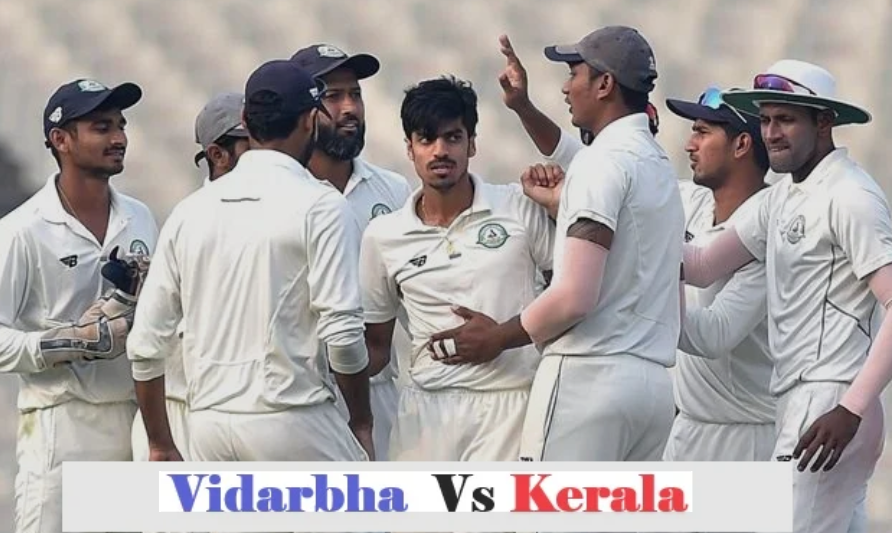
Domestic cricket in India often creates rivalries that grow quietly but become deeply competitive over time. The encounters between Vidarbha and Kerala reflect this same journey, shaped by contrasting playing styles, evolving team structures, and shifting momentum across different seasons. Vidarbha built its foundation on disciplined batting and consistent bowling, while Kerala developed through resilience and tactical patience. When these two teams faced each other, every match brought a different story shaped by pressure situations, key partnerships, and decisive bowling spells. This timeline captures their cricketing journey, highlighting how each contest added new layers to their competitive identity and domestic reputation.
Latest Matches Table
Date
Tournament
Venue
Format
Match Outcome
02 December 2025
Syed Mushtaq Ali Trophy
Lucknow
T20
Vidarbha won by 6 wickets
26 February – 02 March 2025
Ranji Trophy Final
Nagpur
First Class
Match drawn, Vidarbha won on 1st innings lead
20 February – 23 February 2020
Ranji Trophy
Wayanad
First Class
Match drawn
11 November 2019
Syed Mushtaq Ali Trophy
Thiruvananthapuram
T20
Kerala won by 7 wickets
15 January – 17 January 2019
Ranji Trophy
Wayanad
First Class
Kerala won by 105 runs
All-Time Head-to-Head Record Table
Format
Total Matches Played
Vidarbha Wins
Kerala Wins
Draws / No Result
First Class (Ranji Trophy)
9
4
1
4
List A (Vijay Hazare Trophy)
5
2
3
0
Twenty20 (Syed Mushtaq Ali)
6
2
4
0
Total Overall
20
8
8
4
All-Time Batting Leaders Table
Batsman
Team
Matches
Total Runs
Highest Score
Batting Average
Sachin Baby
Kerala
8
512
98
42.66
Karun Nair
Vidarbha
4
385
135
55.00
Sanju Samson
Kerala
7
344
112
34.40
Faiz Fazal
Vidarbha
6
310
102
31.00
Rohan Kunnummal
Kerala
5
289
74
36.12
All-Time Bowling Leaders Table
Bowler
Team
Matches
Total Wickets
Best Bowling Innings
Economy Rate
Jalaj Saxena
Kerala
7
28
5/46
2.82
Akshay Wakhare
Vidarbha
6
22
5/58
2.65
MD Nidheesh
Kerala
5
18
4/30
3.14
Yash Thakur
Vidarbha
4
14
5/16
4.20
Basil Thampi
Kerala
5
11
3/42
3.88
Early Domestic Cricket Background
Vidarbha and Kerala developed their cricket identities in very different domestic environments. Vidarbha built its reputation on disciplined first class structure, steady batting order, and a bowling attack that focused on accuracy over aggression. Kerala, on the other hand, grew through a more patient rise, relying on technically correct batters and spin friendly conditions back home. When these two sides began encountering each other in domestic tournaments, the contrast in styles became clearly visible. Vidarbha often tried to dominate through long batting partnerships, while Kerala looked to stay compact and strike through breakthroughs in clusters. These early matches were less about rivalry and more about understanding strengths and weaknesses. However, each meeting slowly added layers of competitiveness. Players began adapting strategies based on previous encounters, and coaches emphasized match awareness. Over time, these early foundations shaped a balanced contest where neither side could take control easily.
Season
Venue Type
Match Format
Winner
Key Feature
Early Phase
Neutral
First Class
Vidarbha
Batting stability
Early Phase
Kerala Home
First Class
Kerala
Spin advantage
Early Phase
Vidarbha Home
List A
Vidarbha
Pace control
Early Phase
Neutral
T20
Close Contest
Low scoring game
First Competitive Clashes and Score Dynamics
The first competitive clashes between Vidarbha and Kerala highlighted the unpredictability of domestic cricket. Both teams entered matches with limited historical data on each other, which made tactical planning challenging. Vidarbha leaned heavily on structured batting orders, aiming to build innings slowly and reduce risk. Kerala countered this approach with tight bowling spells and sharp field placements. Scorecards from these encounters often reflected fluctuating momentum, with no team able to dominate for long periods. One session would belong to Vidarbha’s batters, while the next would swing toward Kerala’s bowlers. These matches also saw emerging players stepping up under pressure, adding depth to both squads. As the rivalry matured, each scorecard began telling a deeper story beyond runs and wickets. It showed tactical shifts, mental pressure, and evolving team identity. These early battles laid the groundwork for future high intensity encounters.
Match Type
First Innings Score
Second Innings Score
Result Margin
Turning Point
First Class
320
285
Vidarbha Won
Middle order collapse
List A
245
241
Kerala Won
Death overs bowling
First Class
310
310
Draw
Weather interruption
T20
150
148
Vidarbha Won
Last over finish
Structural Growth of Vidarbha Cricket Approach
Vidarbha’s rise in domestic cricket came through systematic planning and strong execution. The team invested in developing a balanced squad where both batting and bowling units complemented each other. Their batting lineup focused on building partnerships rather than individual brilliance, ensuring stability in long format games. The bowling attack was built around consistency, using seam movement and disciplined lines to restrict opponents. Against Kerala, this structure often gave Vidarbha a slight edge in controlling match tempo. Even when under pressure, Vidarbha players showed patience and tactical awareness. Coaching strategies emphasized long term innings building, especially in first class matches. Over time, this approach helped them convert close matches into wins. Their ability to maintain composure in difficult sessions became a defining trait in this timeline. Kerala often found it challenging to break this rhythm once Vidarbha settled into a game.
Aspect
Strength Level
Impact Area
Key Contributor
Match Influence
Batting Depth
High
First Class
Top Order
Stabilized innings
Bowling Control
High
All formats
Seam Attack
Early wickets
Fielding
Medium
Limited Overs
Team Unit
Saved runs
Strategy
High
Overall
Coach Setup
Match control
Kerala Development and Competitive Identity
Kerala’s cricket journey against Vidarbha reflects steady improvement and growing confidence. Initially seen as underdogs in many encounters, Kerala gradually developed a competitive identity built on patience and resilience. Their batting unit focused on playing long innings, avoiding unnecessary risks, and capitalizing on loose deliveries. The bowling attack, especially spin options, played a crucial role in controlling mid overs and building pressure. Against Vidarbha, Kerala often relied on breaking partnerships rather than early breakthroughs. This strategic patience helped them stay competitive even in challenging conditions. Over time, Kerala produced players who could perform under pressure and shift match momentum. Their fielding standards also improved, reducing extra runs and increasing efficiency. These developments made Kerala a more balanced side capable of challenging stronger opponents consistently in the timeline.
Category
Improvement Area
Performance Level
Match Contribution
Key Strength
Batting
Consistency
Moderate
Stabilized innings
Defense technique
Bowling
Spin Attack
High
Middle overs control
Wicket taking
Fielding
Agility
Improved
Run saving
Ground coverage
Strategy
Match Reading
Strong
Tactical shifts
Adaptability
Defining Matches That Shifted Momentum
Certain matches between Vidarbha and Kerala became turning points in the overall timeline. These encounters were not just about runs and wickets but about psychological advantage. One particular game saw Vidarbha recovering from a top order collapse through a resilient partnership that completely changed the match direction. Kerala, despite early dominance, struggled to finish the game under pressure. In another encounter, Kerala’s bowlers executed a disciplined final spell that restricted Vidarbha in a low scoring thriller. These matches highlighted how momentum can shift rapidly in domestic cricket. Players from both sides began understanding the importance of handling pressure situations more effectively. These defining games added intensity to the rivalry and ensured that no match could be taken lightly in future meetings.
Match Situation
Key Performance
Pressure Level
Outcome
Turning Point
Early Collapse Recovery
Batting Partnership
High
Vidarbha Win
Middle overs stand
Low Scoring Chase
Bowling Spell
High
Kerala Win
Death overs control
Rain Affected Game
Tactical Decisions
Medium
Draw
Weather impact
High Pressure Chase
Finishing Ability
Very High
Vidarbha Win
Last over execution
Player Battles and On Field Rivalries
The matches between Vidarbha and Kerala also produced interesting player battles that shaped outcomes. Vidarbha’s top order batters often faced Kerala’s disciplined spin attack, leading to long and strategic contests in the middle overs. Bowlers from both sides targeted key players, creating mini battles within the larger match context. These one on one duels added excitement and unpredictability to the games. In several matches, a single breakthrough shifted the entire momentum. Batters had to adjust their techniques based on pitch conditions and opposition strategies. These player battles highlighted the importance of adaptability and mental strength in domestic cricket. Over time, certain players developed reputations as match changers in this fixture, influencing how teams prepared for each encounter.
Player Role
Opposition Target
Success Factor
Match Impact
Frequency
Top Order Batter
Spin Attack
Technique
High Influence
Regular
Fast Bowler
Opening Batters
Swing Control
Early Breakthrough
Frequent
Spinner
Middle Order
Pressure Building
Game Control
Very High
Finisher
Death Overs
Strike Rate
Match Outcome
Occasional
Tactical Evolution and Modern Match Approach
In modern encounters, both Vidarbha and Kerala have refined their tactical approach significantly. Vidarbha continues to rely on structured innings building but now includes more aggressive intent in shorter formats. Kerala has improved its adaptability, switching strategies based on match situations rather than sticking to a single approach. Data driven decision making has also influenced team selections and on field strategies. Captains from both sides now play a more active role in rotating bowlers and setting dynamic field placements. These tactical evolutions have made matches more competitive and unpredictable. The timeline shows a clear shift from traditional domestic cricket to a more modern and analytical approach. This evolution ensures that every new encounter adds a fresh layer to the rivalry history.
Tactical Element
Vidarbha Approach
Kerala Approach
Effectiveness
Modern Impact
Batting Strategy
Structured Build
Flexible Approach
High
Balanced scoring
Bowling Plan
Line Length Focus
Variation Based
High
Wicket control
Field Settings
Traditional
Adaptive
Medium
Pressure creation
Match Analysis
Data Driven
Situational
High
Strategic depth
Conclusion
The cricketing journey between Vidarbha and Kerala highlights how domestic rivalries grow through persistence, adaptation, and performance under pressure. Neither side has dominated completely, which has made every encounter meaningful and unpredictable. Vidarbha’s structured approach and Kerala’s resilient gameplay have created balanced contests filled with shifting momentum. Over time, both teams have evolved, producing stronger players and smarter tactical decisions. Their timeline reflects more than results, it reflects growth, learning, and competitive spirit. As domestic cricket continues to develop, this rivalry stands as an example of how consistent effort and adaptability shape long lasting sporting contests in India.