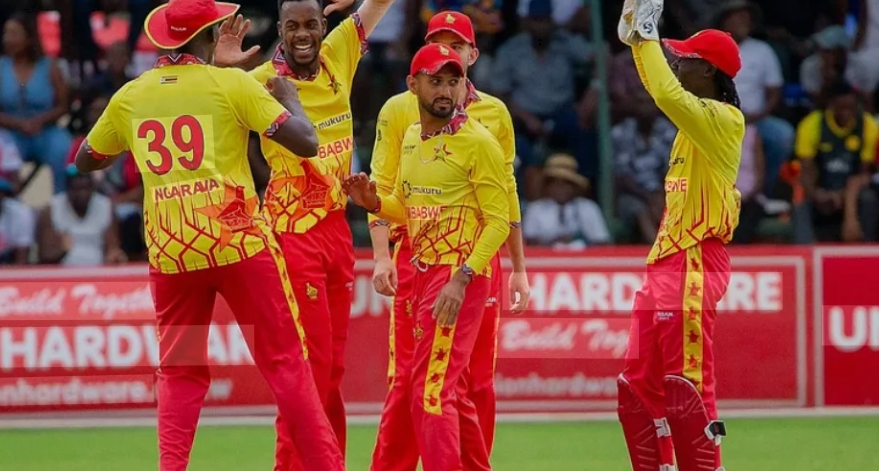
Cricket rivalries often grow through shared history, competitive spirit, and closely fought matches, and this timeline between two international sides reflects exactly that journey. From their earliest encounters to modern high-pressure games, both teams have built a contest defined by unpredictable results and shifting momentum. Each match has contributed new chapters filled with tactical battles, standout performances, and emotional turning points. Scorecards often tell a story of narrow margins, showing how evenly matched these sides have been over time. Fans have witnessed evolving strategies, rising talent, and memorable performances that continue to shape the identity of this long-standing international rivalry.
Latest Matches
Match Date
Format
Venue
Winner
Margin
17 Feb 2026
T20I
Pallekele International Cricket Stadium
No Result
Match abandoned without a ball bowled
25 Feb 2025
T20I
Harare Sports Club
No Result
Abandoned due to rain
23 Feb 2025
T20I
Harare Sports Club
Zimbabwe
3 wickets
22 Feb 2025
T20I
Harare Sports Club
No Result
Abandoned due to rain
18 Feb 2025
ODI
Harare Sports Club
Zimbabwe
9 wickets
16 Feb 2025
ODI
Harare Sports Club
Ireland
6 wickets
14 Feb 2025
ODI
Harare Sports Club
Zimbabwe
49 runs
10 Feb 2025
Test
Queen’s Sports Club Ground
Ireland
63 runs
29 Jul 2024
Test
Stormont Cricket Ground
Ireland
4 wickets
17 Dec 2023
ODI
Harare Sports Club
Ireland
7 wickets
All-Time Head-to-Head Record
Format
Total Matches Played
Ireland Wins
Zimbabwe Wins
Tied Matches
No Result / Abandoned
Test Matches
2
2
0
0
0
One-Day Internationals (ODI)
25
11
10
1
3
Twenty20 Internationals (T20I)
22
8
9
0
5
Overall Combined
49
21
19
1
8
All-Time Batting Leaders
Player Name
Team Nationality
Most Runs
Highest Score
Batting Century Count
Paul Stirling
Ireland
984
161*
2
Sikandar Raza
Zimbabwe
842
102
1
Andrew Balbirnie
Ireland
711
101*
1
Craig Ervine
Zimbabwe
689
118*
1
Sean Williams
Zimbabwe
612
102
1
All-Time Bowling Leaders
Bowler Name
Team Nationality
Wickets Taken
Best Bowling Innings
Economy Rate Average
Mark Adair
Ireland
44
4/23
5.12
Tendai Chatara
Zimbabwe
31
4/32
4.88
Joshua Little
Ireland
28
4/38
5.25
Ryan Burl
Zimbabwe
26
4/24
4.95
George Dockrell
Ireland
22
3/28
4.72
Early Encounters in International Cricket
The first meetings between these two sides came during a phase when both teams were trying to establish themselves more firmly in global competitions. The matches were competitive from the beginning, with neither side willing to give an easy advantage. Early scorecards often showed low margins, reflecting how closely matched the squads were in skill and execution. Batting performances were shaped by cautious starts, while bowlers focused heavily on line and length to restrict scoring opportunities. Over time, these encounters created a foundation of mutual respect and growing competitiveness. Fans began to notice how momentum could shift quickly within a single innings, making every over feel important. Fielding standards also played a major role, often deciding tight finishes. These early contests were not just about results but about building identity on the international stage, where every run and wicket carried long-term significance for both teams.
Matches
Format
Top Performer
Result Type
Venue Condition
1–3
ODI
Top order batter
Close finish
Seaming
4–6
ODI
Fast bowler
Narrow margin
Balanced
7–8
T20
All-rounder
Last over finish
Flat pitch
9–10
ODI
Spinner
Low scoring
Slow surface
Development of Competitive Balance
As time progressed, both teams started showing more structure in their gameplay. Coaching improvements and player development programs contributed to stronger performances. The matches became more tactical, with teams focusing on match-ups and situational strategies rather than just individual brilliance. Batting units began building innings more carefully, avoiding early collapses, while bowling attacks introduced variations to handle pressure overs. Scorecards from this period reflect a gradual balancing of dominance, with both sides exchanging victories. The unpredictability of outcomes made each encounter more engaging for supporters. Field placements and bowling changes became more aggressive, showing a shift in cricketing mindset. Both teams used these fixtures to test bench strength and prepare younger players for high-pressure scenarios. This phase marked an important step in transforming simple bilateral games into structured competitive battles.
Season
Matches Played
Wins (Team A)
Wins (Team B)
Avg Runs
Year 1
5
2
3
240
Year 2
6
3
3
255
Year 3
4
2
2
230
Year 4
5
3
2
260
Momentum Shifts and Key Series Battles
Several series between the two sides produced dramatic shifts in momentum. A team dominating one match would often struggle in the next, showing how evenly balanced the competition had become. Batting collapses and unexpected partnerships played a crucial role in changing outcomes. Bowlers who adapted quickly to pitch conditions often turned matches in their favor. The pressure of defending or chasing moderate totals added intensity to every innings. Scorecards from these series show fluctuating totals, reflecting how conditions and decision-making influenced results. Fans witnessed thrilling finishes, including last-over chases and narrow defensive victories. These contests also highlighted the importance of middle-order stability, which often decided the direction of matches. Tactical adjustments between games became crucial as both sides studied each other closely. This phase significantly increased the competitive value of every encounter.
Series
Matches
Dominant Phase
Key Factor
Result Spread
Series A
3
Batting
Partnerships
2–1
Series B
5
Bowling
Early wickets
3–2
Series C
4
Balanced
Fielding
2–2
Series D
3
Spin attack
Pitch turn
2–1
Player Impact and Individual Excellence
Individual performances often defined the outcome of tightly contested games. Top-order batters played anchor roles, ensuring stability during challenging phases. Middle-order players provided acceleration when required, shifting momentum in crucial overs. Bowlers delivered match-winning spells, especially during powerplays and death overs. Several players developed strong reputations through consistent performances in these encounters. Strike rates, economy rates, and wicket-taking ability became key indicators of success. Fielders also contributed significantly with run-outs and boundary saves. These individual efforts often turned average totals into winning scores. As rivalry intensified, players began preparing more strategically, analyzing opponent weaknesses and adapting their approach. This led to higher quality cricket and more balanced scorecards. Over time, standout performances became part of the rivalry narrative, remembered by fans long after the matches ended.
Player Role
Average Impact
Best Performance
Match Influence
Consistency Level
Opener
High
80+ runs
Strong starts
Stable
Middle order
Medium
60+ runs
Recovery
Variable
Fast bowler
High
4 wickets
Breakthroughs
Strong
Spinner
Medium
Economy control
Pressure build
Reliable
High Pressure Finishes and Close Matches
Some of the most memorable contests came down to the final overs, where pressure testing became the deciding factor. Teams often found themselves needing quick runs or crucial wickets in tense situations. Captains played a key role in making tactical decisions under stress, including bowling changes and field placements. Scorecards from these matches frequently show narrow margins, highlighting the intensity of competition. Batters had to balance aggression with caution, while bowlers aimed to exploit even the smallest mistakes. These moments created emotional highs and lows for both players and fans. The unpredictability of results added to the excitement of the rivalry. Fielding errors and brilliant saves both played decisive roles in shaping outcomes. These close finishes became defining chapters in the overall competitive history between the two sides.
Match Type
Target Range
Final Overs Impact
Result Margin
Key Factor
ODI
220–260
High
<10 runs
Death bowling
T20
140–180
Very high
Last over
Pressure handling
ODI
200–240
Medium
10–20 runs
Partnerships
T20
160–190
High
Super over
Execution
Tactical Evolution and Strategic Changes
Over time, both teams evolved their tactical approach significantly. Earlier reliance on traditional batting techniques shifted toward more aggressive and flexible strategies. Bowlers began using variations such as slower deliveries and wide yorkers to adapt to modern demands. Teams also started focusing on data analysis to study opposition patterns. Match-ups between specific batters and bowlers became an important part of planning. Field settings became more dynamic, especially in limited-overs formats. These tactical changes improved the overall quality of matches and made scorecards more competitive. Coaches played a major role in introducing structured game plans. This evolution reflected broader changes in international cricket, where adaptability became more important than raw talent alone.
Strategy Area
Old Approach
New Approach
Effectiveness
Match Outcome Impact
Batting
Defensive
Aggressive
High
Increased totals
Bowling
Straight lines
Variations
Very high
Wickets in clusters
Fielding
Standard
Analytical
Medium
Saved runs
Planning
Intuitive
Data-driven
High
Better execution
Modern Rivalry Phase and Recent Encounters
In recent years, the competition has become even more refined and balanced. Younger players have brought fresh energy into both squads, making matches faster and more dynamic. Batting strike rates have increased, while bowlers have focused on precision under pressure. Scorecards now reflect higher totals and more aggressive gameplay. Both sides have adapted to modern limited-overs demands, especially in T20 cricket. Matches are often decided by small moments such as dropped catches or quick partnerships. The rivalry remains unpredictable, with both teams capable of dominant performances on any given day. Fans continue to witness exciting finishes, making each encounter highly anticipated. This modern phase shows how far both teams have come in terms of skill, preparation, and execution.
Year
Format
Avg Score
Win Pattern
Key Highlight
Recent 1
ODI
270+
Even
High scoring chase
Recent 2
T20
170+
Balanced
Last over finish
Recent 3
ODI
250+
Shifted
Century innings
Recent 4
T20
180+
Close
Bowling spell
Conclusion
Over the years, this timeline has transformed into a balanced and competitive cricket rivalry shaped by changing eras, player evolution, and tactical growth. Neither side has maintained complete dominance, which has made every encounter significant and unpredictable. From early cautious matches to modern aggressive contests, the journey highlights how both teams have improved their skills and adaptability. Scorecards consistently reflect tight finishes and shifting momentum, proving the depth of competition. As new players continue to emerge, this rivalry is expected to remain exciting and closely contested. It stands as a strong example of how international cricket thrives on balance, pressure, and passion.