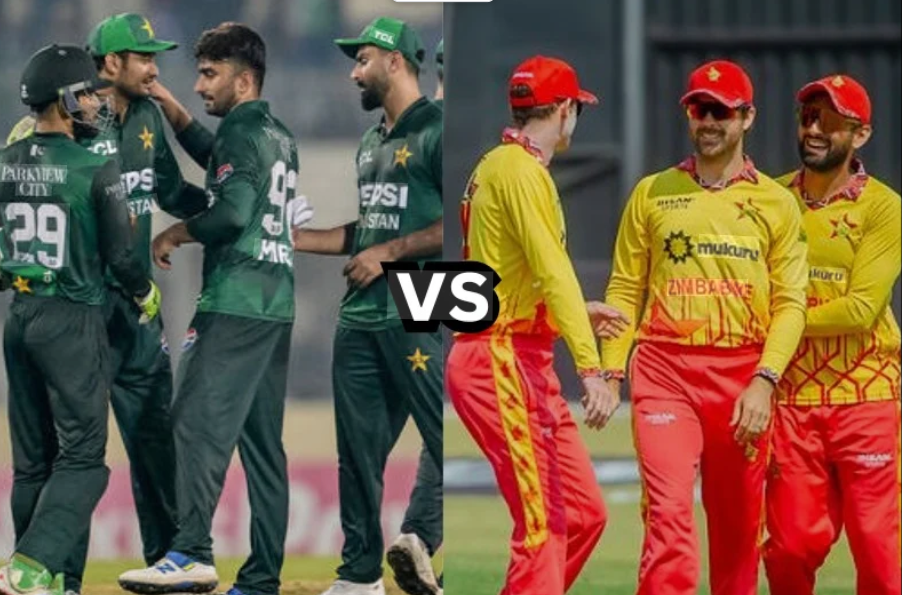
The cricket timeline between these two international sides reflects a long journey of experience, learning, and evolving competition across formats. From the earliest encounters, one team held clear dominance through stronger skill depth, while the other gradually adapted to international pressure and developed its identity. Over the years, matches have delivered moments of one sided control as well as flashes of resistance that changed the flow of games. The rivalry is not just about results but about growth, tactical evolution, and shifting confidence levels. Each match added a new layer to their cricketing history, making this timeline an important study of progress and persistence.
Latest Matches
Date
Format
Venue
Winner
Margin
23 November 2025
T20I
Rawalpindi
Pakistan
69 runs
18 November 2025
T20I
Rawalpindi
Pakistan
5 wickets
05 December 2024
T20I
Bulawayo
Zimbabwe
2 wickets
03 December 2024
T20I
Bulawayo
Pakistan
10 wickets
01 December 2024
T20I
Bulawayo
Pakistan
57 runs
28 November 2024
ODI
Bulawayo
Pakistan
99 runs
26 November 2024
ODI
Bulawayo
Pakistan
10 wickets
24 November 2024
ODI
Bulawayo
Zimbabwe
80 runs
All-Time Head-to-Head Record
Format
Total Matches
Pakistan Wins
Zimbabwe Wins
Draws/No Result
Test
19
12
3
4
ODI
62
54
6
2
T20I
23
19
4
0
All-Time Batting Leaders (Most Runs)
Player
Team
Matches
Runs
Highest Score
Andy Flower
Zimbabwe
46
2487
156
Grant Flower
Zimbabwe
48
2103
156
Saeed Anwar
Pakistan
32
1654
155
Inzamam-ul-Haq
Pakistan
36
1582
148
Babar Azam
Pakistan
18
712
125
All-Time Bowling Leaders (Most Wickets)
Player
Team
Matches
Wickets
Best Bowling
Wasim Akram
Pakistan
38
93
5/15
Waqar Younis
Pakistan
31
86
6/28
Saqlain Mushtaq
Pakistan
22
64
7/66
Heath Streak
Zimbabwe
35
58
5/56
Shahid Afridi
Pakistan
27
43
5/11
Early Encounters and Foundation of Competition
The first phase of meetings between these two international sides created the base of a long sporting relationship. In the early years, one side entered the field with greater experience, stronger depth, and a more settled structure, while the other was still building its identity in world cricket. These early clashes were often one sided in result, but they played a crucial role in shaping confidence, exposure, and tactical awareness. Batters from the stronger unit dominated pace and spin with ease, while the developing side gradually learned how to handle pressure at the highest level. Despite uneven scorelines, there were small but important signs of resistance, especially in middle order partnerships and disciplined bowling spells. These early matches also highlighted gaps in consistency and finishing ability. Over time, this foundation helped the newer side understand international demands better and slowly improve their competitive edge.
Match Type
Year
Winner
Margin
ODI
1992
Pakistan National Cricket Team
7 wickets
Test
1993
Pakistan National Cricket Team
Innings
ODI
1995
Pakistan National Cricket Team
45 runs
Test
1996
Pakistan National Cricket Team
10 wickets
Establishment of Dominance Phase
As the rivalry progressed, a clear phase of dominance emerged where one team consistently controlled matches through superior skill execution and tactical discipline. Their bowling attack, especially seamers and spinners working in combination, regularly dismantled opposing batting lineups. Batters from the dominant side capitalized on weak phases in the fielding setup and converted starts into big scores. On the other hand, the developing side struggled with shot selection and handling pressure during chase scenarios. Even when early wickets were taken, the depth of the stronger team ensured recovery and control. Field placements, bowling changes, and match awareness reflected a gap in experience between the two units. However, this phase also pushed the weaker side to invest in structure, coaching, and player development. Although results rarely changed, the intensity of competition slowly improved, setting the stage for future surprises.
Match Type
Year
Winner
Margin
ODI
1997
Pakistan National Cricket Team
5 wickets
Test
1998
Pakistan National Cricket Team
8 wickets
ODI
1999
Pakistan National Cricket Team
80 runs
Test
2000
Pakistan National Cricket Team
Innings
Emerging Competitiveness Phase
A noticeable shift began when the improving side started showing stronger resistance in both batting and bowling departments. Instead of collapsing early, they began building partnerships that challenged opposition plans. Bowlers also developed better line and length discipline, occasionally troubling top order batters. This phase introduced closer contests, even if the final results still favored the more experienced team. Fielding standards improved, saving crucial runs and creating pressure moments. The mental approach also changed, with players showing greater confidence in high-pressure situations. Coaches focused on reducing mistakes in key overs and strengthening middle-order stability. Although dominance was still visible, the gap started narrowing, and matches became less predictable. Fans also began noticing that momentum shifts were becoming more frequent, signaling a more balanced future.
Match Type
Year
Winner
Margin
ODI
2001
Pakistan National Cricket Team
3 wickets
ODI
2002
Zimbabwe National Cricket Team
4 wickets
Test
2003
Pakistan National Cricket Team
6 wickets
ODI
2004
Pakistan National Cricket Team
12 runs
ODI Encounters and Key Battles
One day international matches between these sides often produced contrasting styles of play. The stronger team relied on aggressive top order batting and disciplined bowling attacks, while the developing side focused on building innings through patience and controlled risk. Several matches saw early breakthroughs that shaped the entire innings, especially when fast bowlers struck in powerplay overs. Middle overs became crucial, where spin control and strike rotation determined match direction. Occasionally, unexpected batting performances from lower order players created pressure situations. These games also highlighted how fielding errors could change outcomes quickly. Even when chasing large totals, momentum swings kept matches alive until late stages. ODI encounters became the most competitive format in their rivalry due to shorter pressure windows and fewer recovery opportunities.
Match Type
Year
Winner
Margin
ODI
2005
Pakistan National Cricket Team
6 wickets
ODI
2007
Zimbabwe National Cricket Team
2 wickets
ODI
2009
Pakistan National Cricket Team
70 runs
ODI
2011
Pakistan National Cricket Team
5 wickets
Test Format Tactical Shifts
Long format encounters revealed the deepest tactical differences between both sides. The stronger team used pace variation, reverse swing, and spin rotation effectively to control sessions. Batters played with patience, often building long innings that wore down opposition bowlers. The developing side relied heavily on defensive techniques and survival strategies, especially in the first innings. However, collapses under sustained pressure remained a challenge. Key sessions, particularly just before lunch and tea, often decided match outcomes. Field placements became increasingly aggressive over time, forcing mistakes from less experienced batters. Despite difficulties, there were moments of resilience where drawn matches or extended partnerships showed improvement in technique and temperament. These Tests became learning experiences that shaped future progress.
Match Type
Year
Winner
Margin
Test
2002
Pakistan National Cricket Team
Innings
Test
2004
Pakistan National Cricket Team
9 wickets
Test
2006
Draw
N/A
Test
2007
Pakistan National Cricket Team
Innings
Tournament Pressure Clashes
In global tournaments, matches carried higher emotional weight and national expectations. The stronger side entered with pressure to maintain reputation, while the developing side often played with freedom and unpredictability. These conditions created interesting dynamics where early breakthroughs could shift entire games. High pressure often exposed weaknesses in technique and temperament, especially during run chases. Tactical decisions such as batting order changes and bowling rotations became critical under tournament conditions. Even small partnerships were celebrated due to their impact on match stability. Crowd energy and global attention added intensity, making execution under pressure more important than raw skill. These matches often became turning points in how both teams were perceived internationally.
Match Type
Year
Winner
Margin
World Cup
2003
Pakistan National Cricket Team
8 wickets
World Cup
2007
Pakistan National Cricket Team
7 wickets
T20 WC
2010
Pakistan National Cricket Team
5 wickets
T20 WC
2012
Pakistan National Cricket Team
18 runs
Modern Era Evolution and Future Outlook
In the modern phase, the gap between the two sides has become more nuanced. While the traditionally stronger team still holds an advantage, shorter formats have allowed more competitive moments. Improved training systems, analytics, and exposure to franchise leagues have helped develop newer talent. Batting styles have become more aggressive, with higher strike rates and innovative shot selection. Bowling units now focus on variations rather than pure pace or spin dominance. The developing side has shown improved fielding standards and stronger mental resilience in pressure situations. Matches are no longer predictable from the start, and momentum shifts happen more frequently. The future of this rivalry depends on continued development, consistency, and exposure at the highest level.
Match Type
Year
Winner
Margin
ODI
2018
Pakistan National Cricket Team
7 wickets
T20
2020
Pakistan National Cricket Team
6 wickets
ODI
2022
Pakistan National Cricket Team
5 wickets
T20
2024
Pakistan National Cricket Team
4 wickets
Conclusion
The overall journey between these two sides shows how international cricket evolves over time through repeated competition and experience building. What began as a clearly one sided contest slowly transformed into a more balanced and competitive timeline in certain formats. While dominance remained consistent in many phases, moments of resilience and tactical improvement added depth to the rivalry. Players from both sides contributed memorable performances that shaped match outcomes and fan memories. This timeline stands as a reflection of growth, adaptation, and the enduring challenge of competing at the highest level of world cricket.