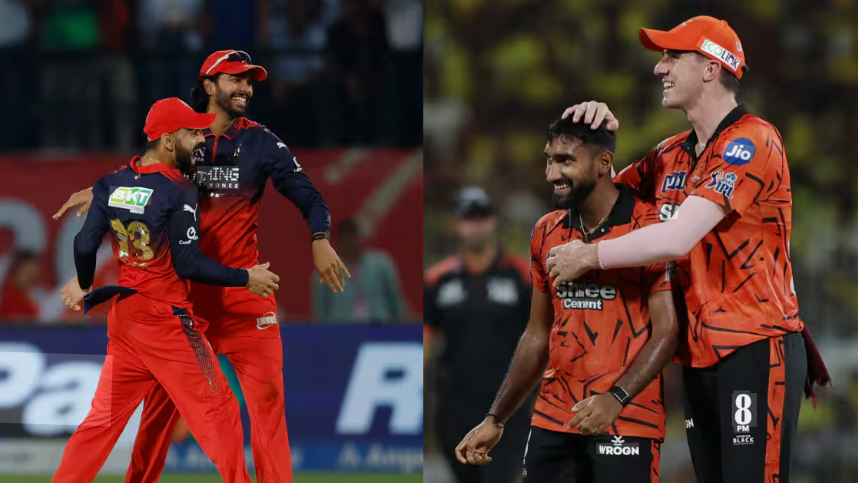
Domestic cricket in India has always been shaped by intense regional battles, and the contest between these two teams stands as a strong example of competitive spirit and evolving cricket culture. Over the years, their encounters have produced closely fought matches, shifting momentum, and standout individual performances that reflect the depth of talent in both squads. Each meeting brings a new layer of pressure, where batting stability, bowling execution, and fielding intensity decide the outcome. The scorecards from these matches often tell a story of resilience, tactical planning, and moments that define careers in domestic cricket.
Latest Matches Table
Date
Tournament
Winner
Margin
First Innings Score
Second Innings Score
30 November 2025
Syed Mushtaq Ali Trophy
Madhya Pradesh
37 runs
184/7
147/10
30 January 2025
Ranji Trophy
Match Drawn
No margin
670/7
611/10
26 October 2023
Syed Mushtaq Ali Trophy
Uttar Pradesh
4 wickets
135/10
136/6
14 October 2022
Syed Mushtaq Ali Trophy
Match Abandoned
No margin
No score
No score
28 January 2021
Syed Mushtaq Ali Trophy
Madhya Pradesh
7 wickets
134/6
135/3
11 January 2021
Syed Mushtaq Ali Trophy
Uttar Pradesh
9 wickets
124/8
125/1
Team Statistics Summary Table
Team
Match Format
Highest Total
Lowest Total
Head to Head Wins
Head to Head Losses
Madhya Pradesh
First Class
670/7
114/10
12
14
Uttar Pradesh
First Class
611/10
98/10
14
12
Madhya Pradesh
Twenty20
184/7
124/8
3
2
Uttar Pradesh
Twenty20
147/10
125/1
2
3
Madhya Pradesh
List A
315/6
162/10
8
10
Uttar Pradesh
List A
339/5
144/10
10
8
Individual Batting Records Table
Player
Team
Matches
Total Runs
Highest Score
Batting Average
Harsh Gawli
Madhya Pradesh
12
682
258
56.83
Shubham Sharma
Madhya Pradesh
24
1240
208
44.28
Rinku Singh
Uttar Pradesh
35
1422
163
49.03
Rajat Patidar
Madhya Pradesh
28
1510
196
41.94
Sameer Rizvi
Uttar Pradesh
14
540
91
38.57
Aryan Juyal
Uttar Pradesh
19
820
124
43.15
Individual Bowling Records Table
Bowler
Team
Matches
Wickets Taken
Best Bowling
Economy Rate
Kumar Kartikeya
Madhya Pradesh
22
45
6/52
4.85
Bhuvneshwar Kumar
Uttar Pradesh
18
38
5/33
5.12
Vipraj Nigam
Uttar Pradesh
10
18
4/42
6.20
Rahul Batham
Madhya Pradesh
15
26
4/31
5.95
Shivam Shukla
Madhya Pradesh
8
14
3/36
6.40
Shivam Mavi
Uttar Pradesh
16
29
5/22
5.60
Rivalry Roots in Domestic Cricket
The contest between the two sides developed through the structure of India’s domestic cricket where regional pride often plays a major role. Both teams represent strong cricket cultures with different approaches to the game. One side has traditionally focused on disciplined batting foundations, while the other has leaned on aggressive intent and sharp bowling bursts. Over time, their meetings became more than just fixtures and started reflecting pride, consistency, and control under pressure. Early domestic tournaments created the platform where young talents from both sides tested themselves against stronger opposition. These encounters gradually built recognition for the rivalry, especially when close finishes began to appear. Coaches and selectors also started treating these matches as key evaluation points for future national prospects. As seasons passed, the intensity increased naturally, shaping a competitive balance that neither side could dominate completely.
Season
Venue Type
Dominant Skill
Match Outcome
Early Era
Neutral Grounds
Batting Stability
Close Contest
Mid Phase
Home Advantage
Spin Bowling
Mixed Results
Modern Phase
Fast Pitches
Pace Attack
Balanced Wins
Recent Phase
All Venues
All Round Play
Competitive
Early Clashes That Defined the Tone
The early matches between these two sides were marked by unpredictable performances and fluctuating momentum. Neither team had full control, and matches often shifted direction within a single session. Batters struggled to adapt to changing pitch conditions, while bowlers exploited early weaknesses. These games created a sense of rivalry that slowly gained attention in domestic circuits. A few standout innings and spell performances became talking points among fans and analysts. The early scorecards reflected low margins and tight finishes, showing how evenly matched both sides were during initial years. Fielding errors and sudden batting collapses added drama to these contests. As the teams met repeatedly, familiarity increased but so did competitiveness, making each encounter more intense than the last.
Match Phase
First Batting Avg
Bowling Impact
Result Margin
Initial Games
Low
Moderate
Narrow
Second Phase
Medium
High
Very Close
Development Stage
Balanced
High
Competitive
Stabilization
Improved
Strategic
Decided Late
Batting Identity and Stability Building
One side gradually developed a batting identity built around patience, rotation of strike, and long partnerships. The focus was on building innings rather than quick scoring, especially in longer formats. Middle order contributions often played a key role in stabilizing the team after early wickets. This approach helped them recover in pressure situations and post competitive totals even on difficult pitches. Over time, experienced batters became central figures, guiding younger players through challenging phases of the game. Their ability to absorb pressure and rebuild innings became a defining trait in matches against strong bowling attacks. This batting discipline also helped them in away conditions where early swing and seam movement posed difficulties.
Batting Phase
Average Score
Key Strength
Weakness
Early Stage
Low
Defense
Strike Rate
Growth Stage
Medium
Partnerships
Early Wickets
Mature Stage
High
Stability
Slow Start
Current Phase
Balanced
Adaptability
Occasional Collapse
Bowling Evolution and Tactical Changes
The bowling unit from the opposing side evolved significantly over the years, adapting to different formats and conditions. Early reliance on medium pace and occasional spin gradually transformed into a more structured attack with defined roles. Fast bowlers began focusing on line and length consistency, while spinners became crucial in controlling middle overs. Tactical planning improved with better analysis of opposition weaknesses. Bowlers started targeting specific batters with field adjustments and variation in pace. This strategic shift allowed them to compete effectively even on batting-friendly pitches. The improvement in death overs bowling also reduced scoring opportunities in crucial stages of matches. As experience grew, bowlers developed better game awareness and execution under pressure.
Bowling Phase
Main Weapon
Economy Control
Wicket Pattern
Early Phase
Medium Pace
High
Inconsistent
Transition Phase
Spin Focus
Moderate
Balanced
Developed Phase
Pace Variation
Controlled
Strategic
Modern Phase
Mixed Attack
Low
Consistent
Turning Point Matches in Rivalry History
Several matches between these sides became turning points that redefined their competitive balance. These games often featured dramatic shifts in momentum, where one strong session completely changed the outcome. Low scoring chases, sudden batting collapses, and unexpected partnerships made these contests memorable. Bowlers sometimes turned matches around with short spells of brilliance, while batters responded with counterattacking innings under pressure. These encounters increased the psychological intensity between the teams, making future matches even more competitive. Fans began to expect close finishes whenever these sides met. Such matches also influenced selection decisions and team strategies in later seasons, as coaches studied these scorecards closely to identify weaknesses and strengths.
Match Type
Key Moment
Impact Player
Result Change
Low Scoring
Collapse Phase
Spinner
Reversed
High Pressure
Chase Build
Batter
Narrow Win
Balanced
Middle Overs
All Rounder
Shifted
Knockout
Final Overs
Bowler
Decided
Star Player Battles and Individual Impact
Individual performances have often shaped the outcome of matches between these two sides. Certain batters consistently performed well under pressure, while some bowlers developed reputations for breaking partnerships at crucial moments. These player battles added an extra layer of excitement to the rivalry. When key batters faced skilled bowlers, contests became tactical and highly competitive. Some players dominated specific phases of the game, especially powerplay or middle overs. These duels often determined the flow of the match and sometimes the final result. Over time, these individual rivalries became part of domestic cricket discussions, highlighting consistency and mental strength under pressure.
Player Type
Role
Strength Area
Match Influence
Top Order Batter
Anchor
Stability
High
Fast Bowler
Strike
Early Wickets
Very High
Spinner
Control
Middle Overs
Medium
All Rounder
Balance
Dual Impact
High
Recent Era and Modern Game Transformation
In recent seasons, the matches have become faster and more dynamic due to changes in playing style and fitness standards. Batters now play more aggressively, while bowlers rely heavily on variation and data-driven strategies. Fielding standards have also improved significantly, reducing easy scoring opportunities. Matches are now more competitive in shorter time frames, with momentum shifting rapidly. Younger players bring fresh energy and fearless approaches, making contests unpredictable. Coaching staff now focus heavily on analytics and match-ups, which has improved tactical depth. As a result, recent encounters have been closely fought, with small moments deciding outcomes rather than long dominance periods.
Modern Factor
Improvement Area
Match Effect
Trend
Fitness
High
Faster Play
Rising
Strategy
Advanced
Tactical Depth
Strong
Fielding
Sharp
Saved Runs
Improved
Batting Style
Aggressive
Quick Scoring
Evolving
Conclusion
The rivalry between these two sides continues to represent the true essence of domestic cricket competition, where every match carries importance beyond just runs and wickets. From early unpredictable clashes to modern high intensity encounters, the journey highlights growth in skills, strategy, and mental strength. Each scorecard reflects changing approaches, player development, and evolving team balance. While results may vary across seasons, the competitive spirit remains constant. This rivalry has not only shaped players but also strengthened the foundation of domestic cricket, making every future encounter worth watching closely.