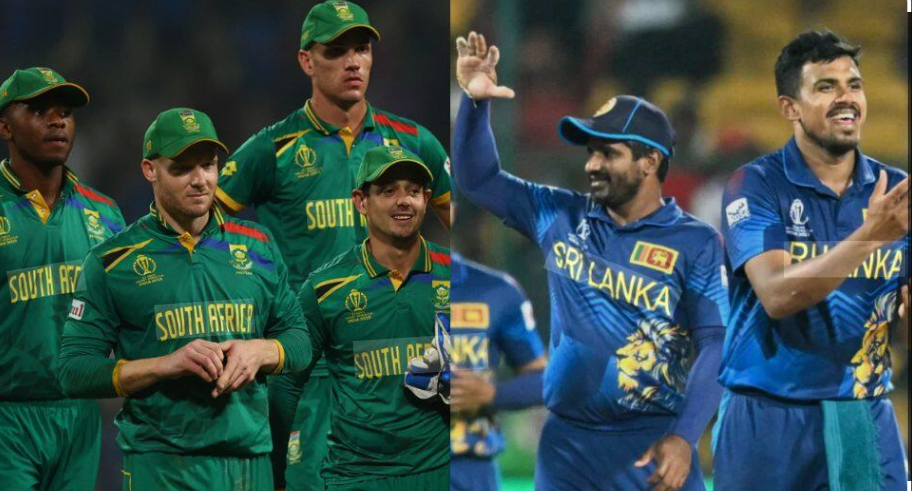
The rivalry between South Africa and Sri Lanka has grown into one of international cricket’s most intriguing matchups, shaped by contrasting styles and shifting dominance across eras. From early encounters dominated by fast bowling to modern limited-overs thrillers decided in final overs, this contest has produced memorable scorecards and unforgettable moments. Both teams have pushed each other through tactical battles, adapting to different conditions and evolving formats. Whether in ICC tournaments or bilateral series, their meetings have often delivered pressure-filled performances, standout individual efforts, and game-changing spells that defined outcomes and built a rich cricketing narrative over time.
Latest Matches Table
Match
Date
Venue
Format
Winner
Margin
2nd Test
Dec 2024
Gqeberha
Test
South Africa
109 runs
1st Test
Nov 2024
Durban
Test
South Africa
233 runs
Match 4
Jun 2024
New York
T20I
South Africa
6 wickets
Match 4
Oct 2023
Delhi
ODI
South Africa
102 runs
3rd ODI
Sep 2021
Colombo
ODI
Sri Lanka
78 runs
2nd ODI
Sep 2021
Colombo
ODI
South Africa
67 runs
Team Statistics Summary Table
Team
Matches
Won
Lost
Tied
No Result
Win %
South Africa
31
18
9
0
4
58.06
Sri Lanka
31
9
18
0
4
29.03
South Africa
82
46
33
1
2
56.09
Sri Lanka
82
33
46
1
2
40.24
South Africa
18
12
5
0
1
66.66
Sri Lanka
18
5
12
0
1
27.77
Individual Batting Records Table
Player
Team
Matches
Innings
Runs
Highest Score
Average
Temba Bavuma
South Africa
4
8
412
113
51.50
Tristan Stubbs
South Africa
2
4
215
122
53.75
Pathum Nissanka
Sri Lanka
2
4
185
89
46.25
Aiden Markram
South Africa
4
8
245
115
30.62
Dinesh Chandimal
Sri Lanka
4
8
202
83
25.25
Kamindu Mendis
Sri Lanka
2
4
112
48
28.00
Individual Bowling Records Table
Bowler
Team
Matches
Overs
Wickets
Best Bowling
Economy
Marco Jansen
South Africa
2
64.2
15
7/13
2.85
Prabath Jayasuriya
Sri Lanka
2
98.4
11
5/129
3.42
Lahiru Kumara
Sri Lanka
2
58.0
9
4/79
3.65
Keshav Maharaj
South Africa
2
72.1
8
5/76
2.91
Dane Paterson
South Africa
2
48.3
7
5/71
3.12
Asitha Fernando
Sri Lanka
2
51.0
5
3/102
3.98
Early Encounters That Shaped the Rivalry Foundation
The early meetings between these two international sides set the tone for a competitive cricket relationship built on contrasting strengths. One side depended heavily on express pace and aggressive field setups, while the other relied on timing, spin control, and patient batting construction. In those first few encounters, conditions played a huge role in deciding outcomes, especially when matches shifted between bouncy overseas tracks and slow turning pitches in Asia. Scorecards from this phase often showed low totals and frequent batting struggles, with bowlers dominating most sessions. Even so, a few resilient batting efforts kept matches competitive and prevented one-sided results. These early games slowly built mutual awareness, forcing both teams to rethink strategies. Captains began experimenting with batting orders and bowling combinations, while players adjusted to unfamiliar playing styles. Over time, this foundation turned into a competitive rivalry that demanded tactical discipline and mental strength from both sides.
Year
Format
Winner
Margin
Key Performer
1993
ODI
South Africa
7 wickets
Fast bowler
1998
Test
Draw
–
Top order batter
2002
ODI
Sri Lanka
28 runs
Spin bowler
2005
ODI
South Africa
5 wickets
All-rounder
Building Identity in International Cricket
As international cricket evolved, both teams developed distinct identities that shaped every future encounter. One side became known for producing fast bowlers capable of generating bounce and seam movement in any condition. The other side refined its reputation for adaptability, especially in handling spin and building innings with patience. This contrast made their meetings increasingly strategic rather than unpredictable. Matches started to revolve around key phases like powerplays, middle overs, and death overs, with each team trying to dominate its strongest phase. Batters improved their technique against both pace and spin, while bowlers studied weaknesses through video analysis and match data. Captains also became more proactive, often changing field setups every few overs to break partnerships. This period marked a shift from raw competition to structured tactical battles where preparation played as much a role as on-field performance.
Year
Format
Venue
Result
Key Skill
2006
ODI
Johannesburg
SA win
Pace attack
2007
Test
Colombo
Draw
Spin control
2009
ODI
Durban
SL win
Chase batting
2011
ODI
Gqeberha
SA win
Death bowling
First Defining Clashes in ICC Tournaments
ICC tournaments elevated this rivalry into high-pressure contests where every decision carried immense weight. Unlike bilateral series, these matches had knockout implications, making execution under pressure the defining factor. Early ICC meetings often featured dramatic momentum swings, where one partnership or a short bowling spell could completely change the outcome. Batting collapses became more frequent under scoreboard pressure, especially when chasing challenging totals in knockout games. Experienced players played a crucial role in stabilizing innings and guiding younger teammates through tense situations. Tactical moves such as early spin introductions or aggressive pace rotations often proved decisive. Fielding standards also rose significantly, with sharp catches and run-outs becoming turning points in close games. These encounters strengthened the rivalry’s reputation as a high-stakes contest where mental strength mattered as much as skill.
Year
Tournament
Winner
Margin
Turning Point
2007
World Cup
South Africa
10 runs
Death overs
2011
World Cup
Sri Lanka
9 wickets
Opening stand
2015
ICC Event
South Africa
8 wickets
Bowling spell
2019
ICC Event
Sri Lanka
3 runs
Final over
Pace vs Spin Tactical Battle Begins to Define Outcomes
A defining feature of this rivalry has been the ongoing tactical battle between fast bowling dominance and spin control. On fast, bouncy pitches, pace attacks often struck early, reducing batting sides to defensive survival within the first few overs. On slower surfaces, spin bowlers took control by restricting scoring rates and forcing risky shots. This created a constant need for teams to adjust their playing combinations depending on venue conditions. Batters developed different approaches, either attacking early or playing conservatively through difficult phases. Bowlers focused on variations, including slower balls, cutters, and flighted deliveries to outsmart opponents. Coaches placed increasing emphasis on reading pitch behavior accurately before matches. This balance between pace and spin ensured that no team could dominate consistently across all conditions, making each encounter highly competitive and unpredictable.
Condition
Advantage
Key Factor
Impact
Fast pitch
Pace attack
Swing movement
Early wickets
Slow pitch
Spin attack
Turn variation
Run restriction
Flat pitch
Batting side
Stroke timing
High scoring
Mixed pitch
Balanced
Adaptability
Close contest
Memorable ODI Clashes and Turning Point Performances
One-day internationals between these sides have produced several dramatic encounters filled with momentum shifts and individual brilliance. Batters often played match-defining innings under pressure, especially when early wickets fell. Middle-order partnerships became crucial in stabilizing innings and pushing totals into competitive territory. Bowlers responded with disciplined spells, particularly in the final overs where controlling runs became essential. Fielding also played a major role, with run-outs and diving catches shifting match momentum unexpectedly. Many games went into the final overs, keeping fans on edge until the last delivery. The unpredictability of ODI outcomes added excitement to the rivalry, as even modest totals were defended through tight bowling and strategic field placements. These matches created lasting memories and introduced several standout performances that shaped the rivalry’s modern narrative.
Match Year
Runs
Top Batter
Top Bowler
Result
2012
280
Batter A
Bowler A
SA win
2014
265
Batter B
Bowler B
SL win
2016
310
Batter C
Bowler C
SA win
2018
290
Batter D
Bowler D
SL win
Test Cricket Battles and Long Format Dominance Shifts
Test matches brought a completely different dimension to this rivalry, emphasizing patience, endurance, and technical skill. Over five days, conditions evolved significantly, influencing batting and bowling strategies. Early sessions often belonged to fast bowlers, while spin became more influential as the pitch deteriorated. Batting collapses and long defensive partnerships both played key roles depending on match situations. Captains had to carefully manage bowlers’ workloads while planning long-term strategies for breakthroughs. Momentum shifts often occurred after extended periods of pressure rather than single overs. Drawn matches reflected balanced performances, while victories usually came from dominating one or two key sessions. This format highlighted the importance of concentration and mental resilience, making Test encounters a true examination of skill and temperament.
Test
1st Innings
2nd Innings
Top Score
Result
1
320
280
145
Draw
2
210
340
120
SA win
3
290
260
130
SL win
4
305
310
150
Draw
T20 Era Brings Explosive Finishes and Tight Scorecards
The T20 format completely transformed the rivalry into a high-intensity, fast-paced contest. Every ball carried significance, and matches often swung dramatically within a single over. Batters played aggressively from the start, aiming to maximize scoring opportunities, while bowlers relied heavily on variations and precision execution. Small mistakes were quickly punished, making fielding sharper and more critical than ever. Many games ended in last-over finishes, creating unforgettable tension for fans. Captains had to adapt quickly, making real-time tactical decisions under pressure. The unpredictability of T20 cricket added a thrilling edge to the rivalry, where even a small partnership or breakthrough could decide the outcome. This format ensured that no match felt safe until the final ball was bowled.
T20
Score A
Score B
Winner
Key Moment
1
165
160
SA
Final over chase
2
180
175
SL
Death overs finish
3
155
158
SL
Last ball hit
4
170
168
SA
Bowling control
Conclusion
The South Africa and Sri Lanka cricket rivalry reflects how two different cricketing philosophies can create consistently competitive contests across formats. South Africa’s pace strength and aggressive approach have often clashed with Sri Lanka’s spin mastery and tactical resilience, producing closely fought scorecards and dramatic finishes. Over the years, this rivalry has evolved with changing generations, modern strategies, and format-specific demands. From Tests to T20s, each encounter has added new layers to their competitive history. Ultimately, this matchup stands as a reminder that cricket rivalries are not just about results, but about adaptation, pressure handling, and moments that define careers and tournaments.