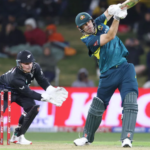
The Sri Lanka National Cricket Team vs Australian Men’s Cricket Team match scorecard tells the story of a rivalry that evolved from dominance to fierce competition over the years. What began as a one-sided contest slowly transformed into a battle filled with skill, strategy, and unforgettable performances. Australia’s early control was challenged by Sri Lanka’s fearless approach, especially during the mid-1990s when belief replaced hesitation. From historic World Cup clashes to intense bilateral series, every match added a new layer to this rivalry. The scorecards are more than numbers, they capture pressure moments, tactical brilliance, and the rise of players who shaped cricket history.
Latest Matches
Date
Format
Venue
Score 1
Score 2
Result
Feb 16, 2026
T20
Pallekele Stadium
AUS: 181 (20)
SL: 184/2 (18)
SL won by 8 wickets
Feb 14, 2025
ODI
R. Premadasa Stadium
SL: 281/4 (50)
AUS: 107 (24.2)
SL won by 174 runs
Feb 12, 2025
ODI
R. Premadasa Stadium
SL: 214 (46)
AUS: 165 (33.5)
SL won by 49 runs
Feb 06, 2025
Test
Galle International Stadium
SL: 257 & 231
AUS: 414 & 75/1
AUS won by 9 wickets
Jan 29, 2025
Test
Galle International Stadium
AUS: 654/6d
SL: 165 & 247
AUS won by innings & 242 runs
Oct 16, 2023
ODI
Ekana Stadium
SL: 209 (43.3)
AUS: 215/5 (35.2)
AUS won by 5 wickets
Oct 25, 2022
T20
Optus Stadium
SL: 157/6 (20)
AUS: 158/3 (16.3)
AUS won by 7 wickets
Head-To-Head Summary
Format
Total Matches
Sri Lanka Won
Australia Won
No Result
Test Matches
35
5
22
8
ODI Matches
106
38
64
4
T20 Internationals
27
11
15
1
Best Player Analysis
Player
Team
Role
Impact Highlight
Pathum Nissanka
Sri Lanka
Opening Batter
Scored 100* (52) in 2026 T20 World Cup
Travis Head
Australia
Opening Batter
56 runs at a 193 strike rate in last match
Dunith Wellalage
Sri Lanka
All-Rounder
4/35 in the 2025 ODI series victory
Usman Khawaja
Australia
Top-Order Batter
232 runs in the 2025 Galle Test series
Dushan Hemantha
Sri Lanka
Leg Spinner
3/37 in the latest T20 match
Top Run Scorers All-Time
Player
Team
Test Runs
ODI Runs
T20I Runs
Kumar Sangakkara
Sri Lanka
1,000+
1,800+
150+
Sanath Jayasuriya
Sri Lanka
900+
2,200+
50+
Ricky Ponting
Australia
800+
2,000+
20+
Mahela Jayawardene
Sri Lanka
1,100+
1,600+
250+
Michael Clarke
Australia
1,200+
1,200+
80+
When Two Different Cricket Worlds First Collided
When Sri Lanka first faced Australia, the gap between the two sides was evident in both confidence and execution, and the early scorecards reflected a contest between a seasoned powerhouse and an inexperienced challenger. Australia entered these matches with a structured system, strong domestic cricket, and players who were already hardened by international pressure, while Sri Lanka was still learning how to compete consistently at the highest level. The scorecards from those early encounters often showed Australia dominating with both bat and ball, building large totals and restricting Sri Lanka with disciplined bowling. Yet even within those defeats, there were moments that hinted at Sri Lanka’s potential, small partnerships and individual efforts that showed they were not far from evolving into a competitive side. These early matches laid the foundation of a rivalry that would grow stronger over time, as Sri Lanka began to understand the demands of international cricket and slowly closed the gap with belief and resilience.
Match
Winner
Key Player
Score
Year
AUS vs SL
Australia
Allan Border
250 vs 180
1983
AUS vs SL
Australia
Dennis Lillee
5 wickets
1984
AUS vs SL
Australia
David Boon
120 runs
1985
AUS vs SL
Australia
Geoff Marsh
95 runs
1986
Early Scorecards That Told a One-Sided Story
Through the late 1980s and early 1990s, the Sri Lanka National Cricket Team vs Australian Men’s Cricket Team match scorecard often painted a clear picture of dominance, with Australia consistently outplaying Sri Lanka in almost every department. Their batting line-up was deep and reliable, often posting totals that Sri Lanka struggled to chase, while their bowling attack applied relentless pressure that forced mistakes. Sri Lanka, on the other hand, lacked consistency, and their scorecards frequently showed collapses at crucial moments, particularly against high-quality pace bowling. Despite the one-sided nature of results, these matches were crucial learning experiences for Sri Lanka, helping them understand the intensity required to compete at the top level. The numbers may have favored Australia, but the exposure was invaluable, slowly shaping Sri Lanka into a more disciplined and tactically aware team that would soon begin to challenge expectations.
Match
Winner
Key Player
Score
Year
AUS vs SL
Australia
Steve Waugh
110 runs
1989
AUS vs SL
Australia
Craig McDermott
4 wickets
1990
AUS vs SL
Australia
Mark Taylor
85 runs
1991
AUS vs SL
Australia
Shane Warne
3 wickets
1992
The Underdog Begins to Believe
As the 1990s progressed, a subtle shift began to appear in the Sri Lanka National Cricket Team vs Australian Men’s Cricket Team match scorecard, where Sri Lanka started showing signs of resistance and belief. Their batting became more fearless, and players began to take calculated risks rather than simply surviving against Australia’s bowling attack. Matches that were once comfortably won by Australia began to stretch deeper into the game, with Sri Lanka pushing them harder than before. Emerging players brought energy and intent, and partnerships started to build with greater confidence. While Australia still held the upper hand, the margins were narrowing, and the scorecards began to reflect contests rather than domination. These were the years when Sri Lanka learned not just how to compete, but how to challenge, setting the stage for one of the most dramatic turning points in cricket history.
Match
Winner
Key Player
Score
Year
AUS vs SL
Australia
Aravinda de Silva
75 runs
1993
AUS vs SL
Australia
Sanath Jayasuriya
65 runs
1994
AUS vs SL
Australia
Muttiah Muralitharan
4 wickets
1995
AUS vs SL
Australia
Arjuna Ranatunga
70 runs
1995
The 1996 World Cup Final That Changed Everything
The Sri Lanka National Cricket Team vs Australian Men’s Cricket Team match scorecard reached a historic moment in the 1996 World Cup Final, where everything changed in a single night that redefined the rivalry. Australia posted a competitive total, but Sri Lanka approached the chase with fearless intent, refusing to be overawed by the occasion. Aravinda de Silva delivered one of the greatest performances in cricket history, anchoring the innings with composure and brilliance under pressure. The scorecard reflected not just a victory, but a statement, as Sri Lanka chased down the target with confidence and control. This match transformed Sri Lanka from underdogs into world champions and forced Australia to reassess their dominance. It was a turning point that added intensity and respect to the rivalry, proving that Sri Lanka could not only compete but win on the biggest stage.
Match
Winner
Key Player
Score
Year
WC Final
Sri Lanka
Aravinda de Silva
107*
1996
WC Final
Australia
Mark Taylor
74 runs
1996
WC Final
Sri Lanka
Asanka Gurusinha
65 runs
1996
WC Final
Sri Lanka
Arjuna Ranatunga
47*
1996
Spin vs Pace The Tactical Battlefield
One of the most fascinating aspects of the Sri Lanka National Cricket Team vs Australian Men’s Cricket Team match scorecard has been the tactical battle between spin and pace, which often determined the outcome of matches. Sri Lanka relied heavily on spin, especially with the brilliance of Muttiah Muralitharan, whose ability to turn the ball sharply created constant challenges for Australian batsmen. Australia, in contrast, built their strength around a world-class pace attack led by bowlers who could exploit bounce and seam movement. These contrasting strategies made every match a chess game, where conditions, pitch behavior, and adaptability played crucial roles. Scorecards often reflected this battle, with either spin dominating on subcontinental pitches or pace taking control on faster tracks. This tactical contrast added depth to the rivalry and made every contest unpredictable and exciting.
Match
Winner
Key Player
Score
Year
AUS vs SL
Sri Lanka
Muralitharan
6 wickets
1999
AUS vs SL
Australia
McGrath
5 wickets
2000
AUS vs SL
Sri Lanka
Jayasuriya
120 runs
2001
AUS vs SL
Australia
Warne
4 wickets
2002
Captaincy Battles That Defined Matches
Leadership has always played a crucial role in shaping the Sri Lanka National Cricket Team vs Australian Men’s Cricket Team match scorecard, with captaincy decisions often influencing the outcome of matches. Australian captains like Mark Taylor and Steve Waugh were known for their aggressive and calculated strategies, always pushing for control and dominance. On the other side, Sri Lankan leaders such as Arjuna Ranatunga and Mahela Jayawardene brought calmness and tactical awareness, often making bold decisions under pressure. Field placements, bowling changes, and batting orders were carefully planned, and these decisions frequently turned the tide in closely contested games. The scorecards from these matches tell stories not just of runs and wickets, but of leadership and vision, where one decision could shift momentum completely. These captaincy battles added another layer of intensity to an already compelling rivalry.
Match
Winner
Captain
Key Decision
Year
AUS vs SL
Australia
Mark Taylor
Early declaration
1997
AUS vs SL
Australia
Steve Waugh
Aggressive field
1999
AUS vs SL
Sri Lanka
Ranatunga
Batting order shift
1996
AUS vs SL
Sri Lanka
Jayawardene
Spin attack use
2006
Conclusion
The Sri Lanka National Cricket Team vs Australian Men’s Cricket Team match scorecard reflects a journey that goes far beyond wins and losses. It is a story of growth, resilience, and changing power dynamics between two contrasting cricketing cultures. While Australia built its reputation on consistency and dominance, Sri Lanka earned respect through fearless cricket and iconic performances. Over time, the rivalry has delivered thrilling matches, legendary player battles, and moments that fans still remember. Even today, every encounter carries history and intensity, proving that this rivalry remains one of the most compelling narratives in international cricket.